Quick Facts
- Market Benchmark: The Greater Toronto Area average home price sit at approximately $1,008,968 as of June 2026.
- Price Trend: A decisive 7.1% to 8% year-over-year decline in benchmark prices indicates a cooling period.
- Inventory Level: Current supply has risen to between 5.0 and 5.8 months, signaling a firm shift into a buyer’s market.
- Critical Indicator: The sales-to-active-listings ratio has dropped below 30% in several urban segments, reflecting reduced demand.
- Global Ranking: The Toronto housing market remains ranked 2nd globally on the UBS Global Real-Estate Bubble Index.
- Segment Performance: While detached homes show relative resilience, the condominium sector is facing record high inventory and price pressure.
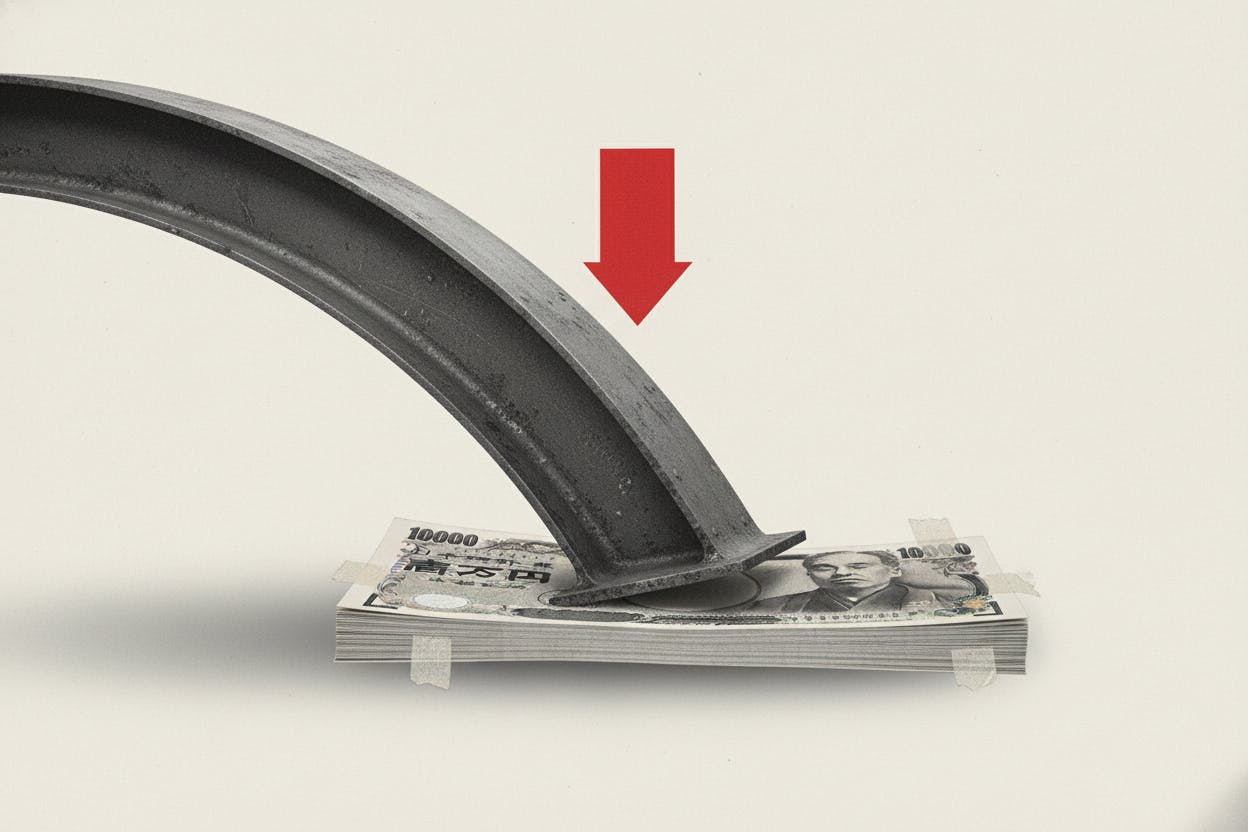
As we enter June 2026, the question is no longer 'if' but 'how far' the Toronto real estate bubble will deflate. Current data shows a decisive shift with detached prices softening and condo inventory reaching record highs. The Toronto real estate bubble is undergoing a significant correction in 2026, with benchmark prices dropping roughly 8% year-over-year as market indicators shift decisively in favor of buyers.
Global Context: Ranking the Toronto Real Estate Bubble
For nearly a decade, Toronto has been a mainstay at the top of international risk assessments. When we compare the local landscape to other global luxury hubs like London, Paris, or New York, the disconnect between housing costs and local incomes becomes starkly apparent. The primary driver of this concern is the household debt-to-income ratio, which in the Greater Toronto Area has reached levels that leave the average family vulnerable to even minor economic shifts.
The UBS Global Real-Estate Bubble Index has consistently flagged the city for high risk, and in 2026, those risks are materializing as tangible market movements. Market observers are now identifying signs Toronto real estate bubble is bursting through a combination of dampened consumer confidence index scores and a reduction in speculative investment risks. While global investors once viewed Toronto as a "safe haven" for capital, the current correction suggests that the decoupling of property values from economic fundamentals has reached its limit. Buying property in an overvalued market requires a high degree of fiscal discipline, particularly when the historical safety net of rapid appreciation is no longer guaranteed.

Critical 2026 Indicators: Correction or Crash?
In my analysis of the current data, the primary question from investors is whether we are witnessing a structural reset or a catastrophic crash. The numbers suggest the former. According to TRREB market statistics, annual home sales in the Greater Toronto Area declined by 11.2% in 2025. This volume reduction was the necessary precursor to the price softness we are seeing today.
The decline is largely attributed to the 18-month lag of monetary policy on housing prices. Previous interest rate fluctuations have finally worked their way through the system, tightening mortgage stress test parameters and limiting the borrowing power of many residents. As of April 2026, the average home price in the Toronto region was $1,051,969, representing a year-over-year decline of 4.9% compared to the previous year.
Further Toronto housing market correction indicators include a plummeting sales-to-active-listings ratio. When the inventory exceeds five months, the leverage shifts entirely to the buyer. Unlike a crash, which is characterized by forced liquidations and a total absence of buyers, the 2026 correction is an orderly retreat. Sellers who do not have to move are delisting, while those who must sell are adjusting their expectations to the new reality of the Toronto real estate price trend analysis.
The Divergent Reality: Detached vs. Condo Markets
It is a mistake to view the Toronto market as a single entity. In 2026, we are seeing a massive divergence between ground-oriented homes and high-rise units. The detached segment has seen prices moderate, but demand for space continues to provide a floor for valuations. Conversely, the condo sector is under significant duress.
The Toronto condo market risk assessment for 2026 shows that many investors are now dealing with negative cash flow as carrying costs outpace rental income. This has led to a surge in listings, particularly from over-leveraged borrowers who purchased pre-construction units in 2021 and are now facing a negative equity trap upon closing.
| Market Segment | 2026 Inventory Level | Price Resiliency | Buyer Leverage |
|---|---|---|---|
| Detached Homes | 3.5 Months | Moderate/High | Increasing |
| Semi-Detached | 3.0 Months | High | Balanced |
| Condominiums | 5.8 Months | Low | Dominant |
| Townhomes | 4.1 Months | Moderate | Increasing |
Urban intensification policies have increased the supply of localized units, but the demand has not kept pace with the sheer volume of completions hitting the market this year. Furthermore, rental vacancy rates have ticked upward in the downtown core, reducing the incentive for speculative buyers to hold onto their assets. If you are looking at the Toronto real estate price recovery timeline 2027, the detached market is likely to lead the way, whereas the condo market may take several additional years to absorb the current surplus.
The First-Time Buyer’s Toolkit for 2026
For those who have been sidelined for years, the current cooling provides a unique window. The return of conditional offers is perhaps the most significant change in the daily market. Buyers are once again able to include clauses for home inspections and financing, reducing the immense risk associated with the "blind bidding" wars of the early 2020s.
When developing a first-time home buyer strategy for cooling markets, it is essential to factor in the total cost of acquisition. In the city of Toronto proper, buyers must account for the Double Land Transfer Tax—both provincial and municipal. However, the use of the FHSA (First Home Savings Account) and the RRSP Home Buyers’ Plan can provide a significant tax advantage.
Knowing how to negotiate house prices in a Toronto buyer's market involves more than just offering below the asking price. It involves analyzing how long a property has been on the market and understanding the seller's motivation. Many sellers are currently worried about home equity extraction and may be willing to accept a lower price for the certainty of a firm closing date. My advice for 2026 is to remain patient. With the GTA real estate market forecast for summer 2026 suggesting further inventory increases, there is no need to rush into a deal that doesn't check every box in your financial plan.
Decision Matrix: Should You Buy, Sell, or Hold?
The decision to enter or exit the market depends entirely on your time horizon. If you are a long-term buyer looking for a primary residence to hold for 5 to 10 years, the current correction represents an attractive entry point before the anticipated stabilization.
- Buy: If you are a first-time buyer with a stable income and a 5-year+ horizon. Focus on detached or semi-detached properties that offer better land value.
- Sell: Only if you must. If you are downsizing or moving out of the province, emphasize the unique features of your property to stand out in a crowded market.
- Hold: If you are an investor with negative cash flow on a condo. If you can weather the storm, the Toronto real estate price recovery timeline 2027 suggests that as interest rates stabilize, the downward pressure will begin to subside.
The consumer confidence index remains the factor to watch. As the market reaches the bottom of this cycle, we expect to see a return to slow, sustainable growth rather than the erratic spikes of the past. Professional guidance from a mortgage broker is more important than ever to navigate the current lending environment.
FAQ
Is the Toronto real estate market currently in a bubble?
The Toronto market has long been classified as being in a bubble due to the high housing-price-to-income ratio. In 2026, we are seeing this bubble deflate through a price correction of approximately 8% year-over-year, rather than a sudden burst. This structural reset is helping align prices more closely with economic realities.
What are the signs of a housing bubble in Toronto?
Key metrics include an unsustainable decoupling of home prices from local wages, high levels of speculative investment, and a reliance on low interest rates. In 2026, the signs of this bubble cooling include rising inventory, a drop in the sales-to-active-listings ratio, and properties staying on the market for an average of 45 days or more.
Is it a good time to buy a home in Toronto right now?
For buyers with a long-term perspective, 2026 offers the best conditions in nearly a decade. With more inventory and the return of conditional offers, buyers have regained significant leverage. However, it is essential to ensure that your mortgage can be maintained even if interest rate fluctuations occur in the future.
What would happen if the Toronto housing market crashed?
A true market crash would involve a price decline of 20% or more combined with mass defaults. Currently, the Greater Toronto Area is experiencing a correction rather than a crash. The annual average selling price for homes dropped to $1,067,968 in 2025 from a 2024 average of $1,120,241, which represents an orderly decline.
Are Toronto condo prices expected to decline?
Yes, the condo segment is expected to see more significant price pressure than detached homes throughout the remainder of 2026. High supply levels and investor sell-offs are driving prices downward, making it a challenging environment for sellers but a high-opportunity landscape for patient buyers.