Quick Facts
- 2026 Reality: Mortgage debt deduction limits are now permanent at $750k due to the OBBBA.
- Standard Deduction: For the 2026 tax year, the standard deduction is projected to be $32,200 for joint filers, which makes itemizing interest less common for many households.
- Rate Forecast: Housing experts at Fannie Mae project that 30-year fixed mortgage rates will likely descend to 5.9% by the end of 2026.
- Best Use: Home equity is currently best utilized for strategic debt arbitrage, specifically tackling credit card balances that carry 20% APR or higher.
- Property Value: National home price growth is expected to maintain a steady but slower pace, averaging 2.9% in 2025 and 2.8% in 2026.
- Direct Answer: Tapping home equity in 2026 often comes down to a choice between gaining immediate relief from high-interest liabilities at current rates or waiting for late-year Federal Reserve rate cuts to potentially lower the cost of a long-term fixed loan.
Tapping home equity in 2026 requires a balance between Fed rate forecasts and the permanent tax rules of the OBBBA. With tappable equity at historic highs, deciding whether to act now or wait depends on your immediate high-interest debt and renovation goals.
The 2026 Tax Reality: OBBBA and Deductibility
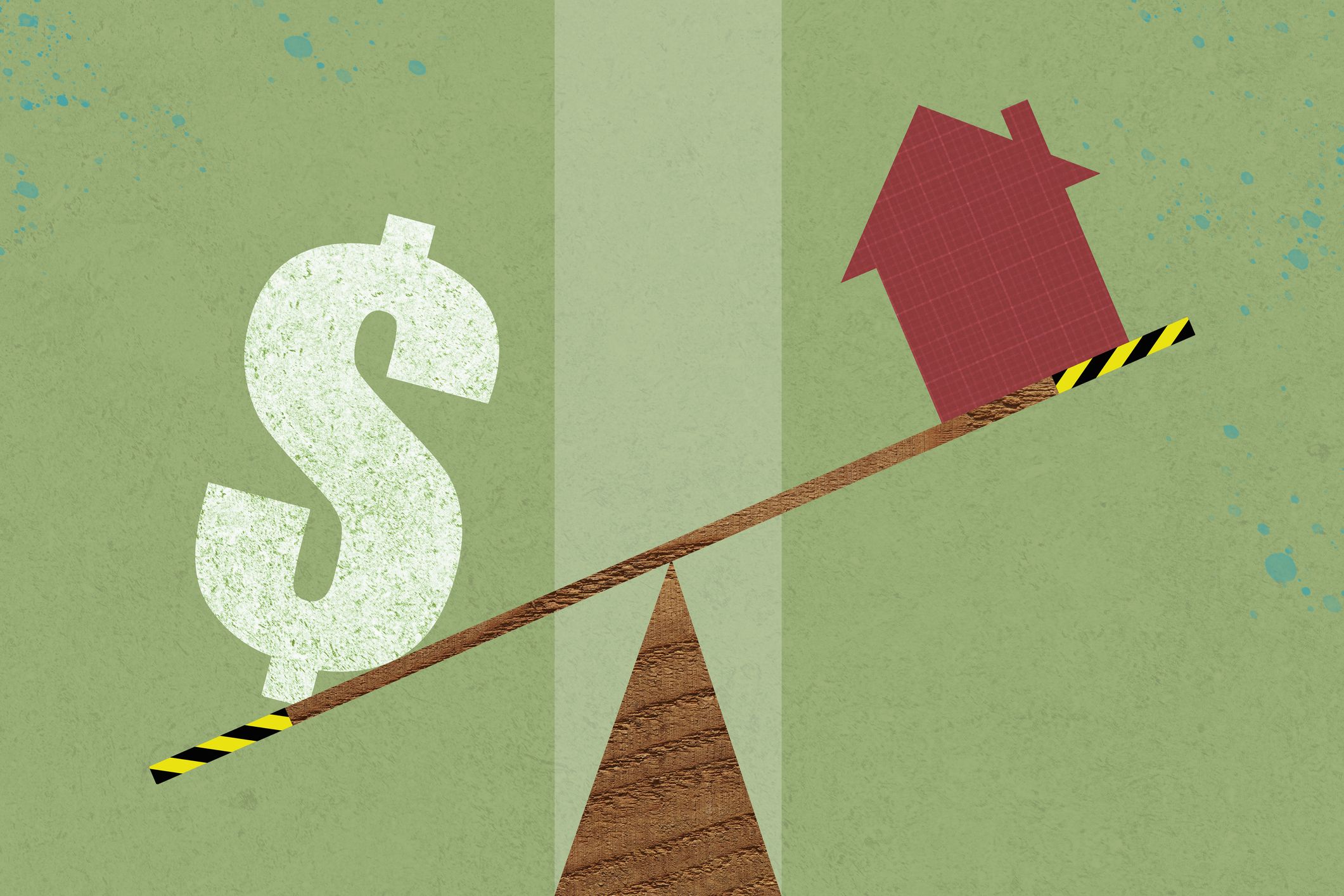
The financial landscape for homeowners shifted significantly with the passage of the One Big Beautiful Bill Act, often referred to as the OBBBA. This legislation transformed what were once temporary tax shifts into permanent fixtures of the American tax code. Most notably for those considering tapping home equity, the $750,000 cap on mortgage interest deductibility is now a permanent limit. For homeowners, understanding these home equity tax deduction rules is the first step in determining if a loan is truly cost-effective.
Under the current rules, the Internal Revenue Service distinguishes strictly between acquisition indebtedness and home equity debt. If you are taking out a loan to buy, build, or substantially improve your primary residence, the interest may be deductible. However, if the funds are used for anything else—such as buying a car or paying for a wedding—the interest is generally not deductible. This makes the 2026 home equity tax deduction rules for home improvements a critical factor for those planning a kitchen remodel or a structural addition.
To maximize your tax benefits, it is essential to categorize your spending correctly. The IRS looks for capital improvements—projects that add value to your home, prolong its useful life, or adapt it to new uses. General maintenance, while necessary for the home's upkeep, does not meet the criteria for deductibility.
Determining Deductible vs. Non-Deductible Improvements
| Project Type | Categorized As | Interest Deductible? |
|---|---|---|
| Adding a secondary suite or bedroom | Capital Improvement | Yes |
| Replacing a leaky faucet or painting | General Maintenance | No |
| Installing a new roof or HVAC system | Capital Improvement | Yes |
| Consolidating high-interest credit card debt | Personal Expense | No |
| Replacing old windows with energy-efficient ones | Capital Improvement | Yes |
Even if your project qualifies as a capital improvement, you must also consider the standard deduction. With the joint filer standard deduction hovering around $32,200, many homeowners find that their total itemized deductions—including mortgage interest, state and local taxes, and charitable gifts—do not exceed this threshold. If you do not itemize, the specific home equity tax deduction rules become a moot point for your annual tax bill.
Debt Consolidation in High-Interest Environments
While tax perks are a bonus, the most immediate reason many homeowners look into tapping home equity is to manage spiraling consumer debt. As we move through 2025 and look toward 2026, the gap between credit card interest rates and home equity rates remains substantial. Many credit cards currently carry APRs north of 20%, while home equity products often sit in the single digits. This 13% to 15% spread creates an opportunity for strategic debt arbitrage, where you use your home’s value to clear high-interest liabilities.
Using home equity for debt consolidation can drastically lower your monthly outflow. By rolling several high-interest payments into one lower-interest loan, you can regain control of your household budget. However, this strategy is not without significant risk. You are essentially moving unsecured debt (credit cards) to secured debt (your home). If you fail to make payments on a credit card, your credit score suffers; if you fail to make payments on a home equity loan, you could face foreclosure.
When evaluating how to use home equity for debt consolidation in high interest environments, it is vital to set conservative limits for tapping home equity without risking your house. A common rule of professional mortgage planning is to keep your combined loan-to-value ratio below 80%. This ensures that even if market conditions shift, you still maintain a cushion of residential real estate wealth.
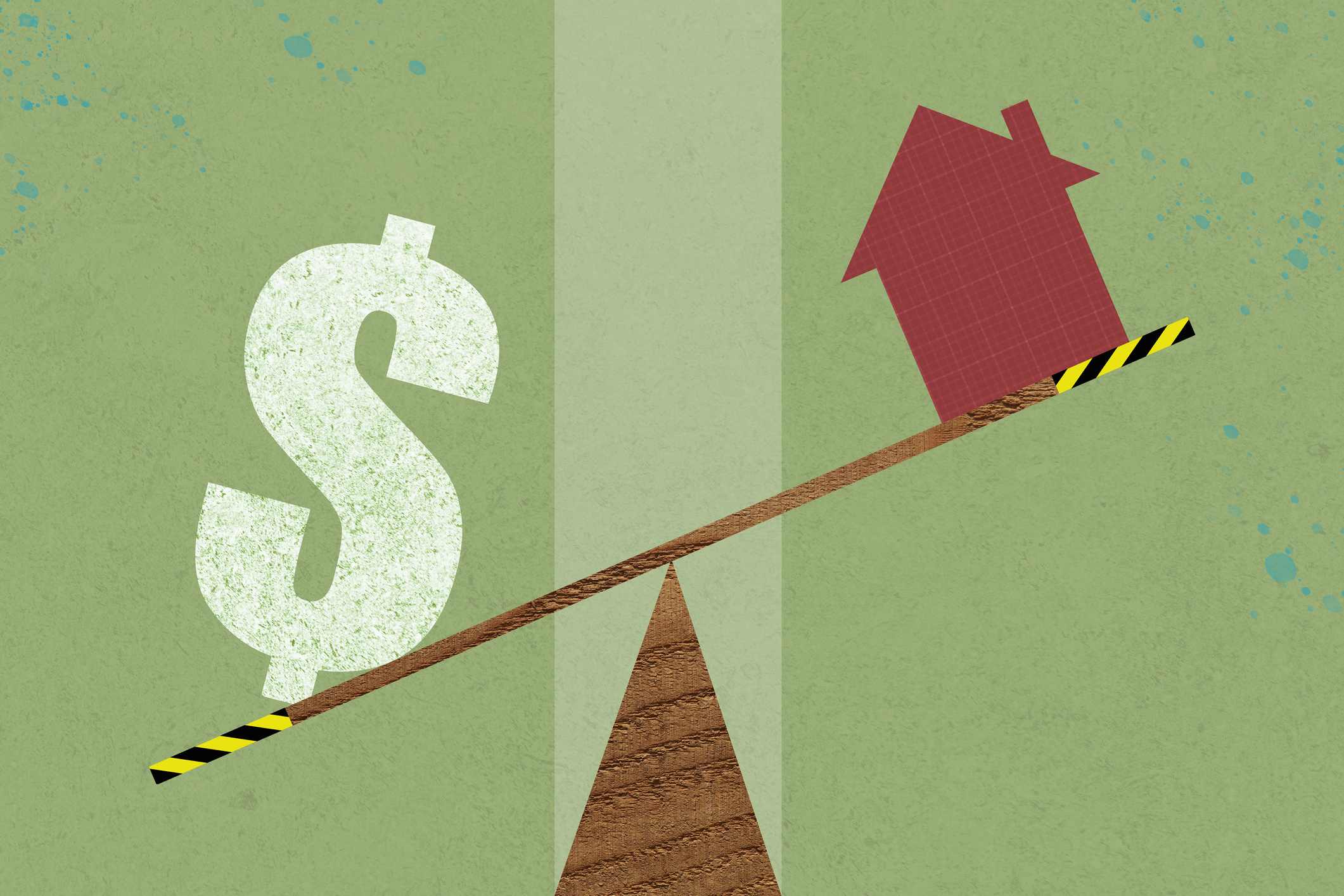
Furthermore, debt consolidation only works if the underlying spending behavior changes. Tapping home equity to pay off cards only to run those card balances back up can lead to a debt spiral that threatens your borrowing capacity and homeownership. Before proceeding, assess your creditworthiness and ensure that the interest rate volatility in the current market wont make the new payment unaffordable if you choose a variable-rate product.
Market Timing: Act Now or Wait for Late 2026?
The question of timing often paralyzes homeowners. Should you act now while property values are high, or wait for the Federal Reserve rate cuts to potentially lower the cost of borrowing? According to the mid-2025 Fannie Mae Home Price Expectations Survey, national home price growth is forecasted to average 2.9% in 2025 and 2.8% in 2026. This suggests that your equity levels are likely to remain stable or grow slightly, rather than vanish in a sudden market crash.
However, the cost of the loan is the other side of the equation. Fannie Mae 2025 outlooks project that 30-year fixed mortgage rates will end 2025 at approximately 6.4% and 2026 at 5.9%. Waiting until late 2026 could save you half a percentage point or more on a fixed-rate loan.
When weighing the pros and cons of waiting until 2026 to unlock home equity, consider these factors:
- Urgency of Need: If you are carrying credit card debt at 24% APR, waiting eighteen months to save 0.5% on a loan rate is mathematically unsound. The interest paid on the credit cards in the interim will far outweigh the savings of a lower loan rate later.
- Project Scope: For large-scale renovations, the cost of materials and labor often rises faster than interest rates fall. Acting sooner might secure today's construction prices.
- Risk Tolerance: If you believe your local market is at a peak, tapping home equity now allows you to "lock in" that value before a potential localized dip.
- Economic Climate: Federal Reserve rate cuts are never guaranteed. They depend on inflation staying cool and the labor market remaining stable.
The decision matrix for timing usually favors acting now if the funds are for debt consolidation or urgent repairs, and waiting if the funds are for discretionary projects where a lower monthly payment is the primary goal.
Choosing Your Instrument: Loan vs. HELOC
The two primary ways to access your value are a home equity loan and a Home Equity Line of Credit (HELOC). While they sound similar, they serve very different financial purposes. Choosing between a home equity loan vs HELOC depends largely on how you plan to spend the money and your tolerance for fluctuating payments.
A home equity loan provides a lump sum with a fixed-rate lock. This means your monthly payment will never change over the life of the loan, which usually ranges from 5 to 20 years. This predictability makes it the ideal tool for one-time expenses with fixed costs, such as consolidating a specific amount of debt.
Conversely, a HELOC operates more like a credit card secured by your home. You are given a credit limit and can draw funds as needed during a set period. One of the primary benefits of tapping home equity before 2026 via a HELOC is the flexible draw period. You only pay interest on the money you actually use. This is particularly useful for choosing between HELOC and home equity loan for 2026 renovations where the contractor payments are staggered over several months.
Comparison: Home Equity Loan vs. HELOC
| Feature | Home Equity Loan | HELOC |
|---|---|---|
| Fund Disbursement | Lump sum at closing | Draw as needed |
| Interest Rate | Fixed | Usually Variable |
| Monthly Payments | Predictable, equal | Fluctuates with rates and balance |
| Best Use | Debt consolidation, major one-time fix | Staged renovations, emergency fund |
| Closing Costs | Typically $0 - $3,000 | Often low or waived |
Another option for some homeowners is cash-out refinancing. This involves replacing your existing mortgage with a new, larger loan and taking the difference in cash. However, in the 2026 environment, many homeowners still hold original mortgages with rates in the 3% or 4% range. In such cases, a cash-out refinance would mean trading that incredibly low rate for a new rate near 6%, which is rarely a wise move. Keeping your low-rate first mortgage and adding a secondary home equity loan or HELOC is usually the more sophisticated path for preserving residential real estate wealth.
FAQ
Is it a good idea to tap into home equity right now?
It depends on your specific financial goal. If you are using the funds to pay down high-interest debt or complete necessary home improvements that will increase your property value, tapping home equity can be a very smart move. However, if you are looking to fund a lifestyle expense or a vacation, the risk of placing your home as collateral generally outweighs the benefits, especially given current interest rate volatility.
What is the difference between a HELOC and a home equity loan?
The main difference is how you receive and repay the money. A home equity loan provides a one-time lump sum with a fixed interest rate and set monthly payments, making it very stable. A HELOC is a revolving line of credit with a variable interest rate; you can borrow, repay, and borrow again, but your monthly payments will change based on how much you owe and current market interest rates.
Is tapping home equity tax-deductible?
Under the current OBBBA rules, interest on home equity debt is only deductible if the funds are used to buy, build, or substantially improve the home that secures the loan. If the money is used for personal expenses like debt consolidation or tuition, the interest is not deductible. Even for eligible improvements, you must itemize your deductions to see any tax benefit, which may not be beneficial if the standard deduction is higher.
How much of my home's equity can I actually use?
Banks typically allow you to borrow up to a combined loan-to-value (CLTV) ratio of 80% to 85%. This means your total mortgage debt plus your new home equity loan cannot exceed 85% of your home’s appraised value. For example, if your home is worth $500,000, 80% of that value is $400,000. If you still owe $300,000 on your mortgage, you could potentially access up to $100,000 in equity.
What are the risks of using home equity?
The primary risk is that your home serves as collateral. If you cannot make the payments, you risk foreclosure. Additionally, if property values decline in your area, you could end up "underwater," meaning you owe more on the house than it is worth. This makes it difficult to sell or refinance in the future.