Quick Facts
- Market Valuation: The global private club membership market is projected to reach $52.8 billion by 2033, driven by a significant influx of younger members.
- Gen Z and Millennial Surge: Approximately 74% of golfers aged 18 to 34 are currently in the market for a private club membership or season pass.
- Capital Growth: Top-performing clubs achieve a compound annual growth rate in net worth of 5% or more by prioritizing strategic facility reinvestment.
- Demographic Shift: The median age of members has dropped by roughly seven years since 2019, necessitating a move toward adaptive club infrastructure.
- New Program ROI: Diversified non-golf amenities can contribute up to a 15% boost in overall club profitability through increased member lifetime value.
- Retention Logic: High-impact upgrades focusing on intergenerational connectivity reduce member churn by creating a "Third Place" for family life.
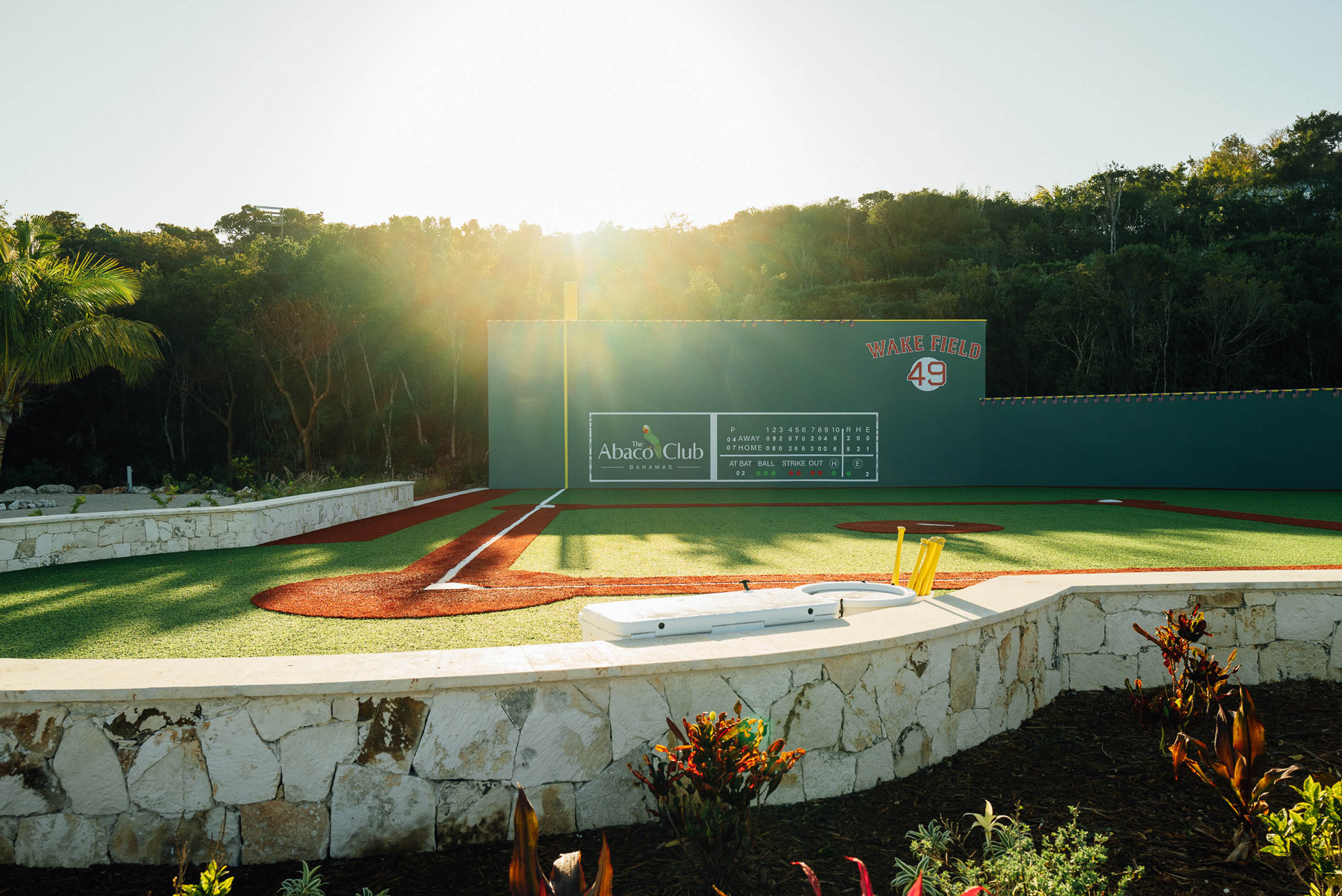
Multigenerational country club upgrades focus on amenities that bridge age gaps, such as STEAM labs, climate-controlled gaming lounges, and interactive sports like wiffle ball. These strategic country club amenities enhance member retention by creating a family-centered community hub that justifies higher dues through integrated health and social connectivity.
As we enter June 2026, the traditional golf-only model is being replaced by a versatile lifestyle hub. Modernizing your country club amenities is no longer a luxury; it is a critical strategy for long-term growth and member retention. By integrating family-friendly country club features and medical-grade wellness facilities, clubs can capture the 74% of younger golfers looking for community-centric value. To survive in this new economy, club boards must pivot from viewing themselves as sport-specific venues to seeing themselves as comprehensive community managers where healthy financial operations meet evolving member lifestyles.
The Demographic Pivot: Why 2026 Demands Younger Focus
The landscape of private club management has undergone a radical shift. For decades, the industry relied on a predictable cohort of retirees to maintain the books. However, shifting demographic demand now shows that the millennial membership segment is expected to grow at a CAGR of 7.4% through 2033. This isn't just a trend; it's a structural realignment of how private club modernization strategies must be executed.
Member retention is no longer just about keeping the person paying the bill happy; it is about hooks that keep their grandchildren coming back. If the kids want to be at the club, the parents are forced to stay, and the grandparents are thrilled to pay. This ripple effect is the foundation of intergenerational connectivity. We are seeing a seven-year drop in the median visitor age across the most successful clubs in North America. These institutions have realized that traditional amenities alone cannot sustain growth in a digital-first, remote-work world.
The surge in interest from the 18-34 demographic underscores a desire for "belonging" that transcends the 18th hole. Today’s young professionals view the club as an extension of their home office and their family room. Success in 2026 requires youth summer camp programming that isn't just about babysitting, but about genuine skill acquisition and social development that aligns with a parent's desire for an enriched childhood environment.
High-Impact Amenities: From STEAM Labs to Longevity Clinics
To achieve a higher member lifetime value, clubs are diversifying their capital expenditure toward high-tech and high-health facilities. The goal is to maximize the facility's utility across all hours of the day, not just during weekend tee times. This requires a shift toward family-friendly country club features that cater to the modern, wellness-centric lifestyle.
Youth Innovation and STEAM Workshop Facilities
One of the most effective private club modernization strategies for future growth is the implementation of STEAM workshop facilities. These designated areas offer LEGO engineering, 3D printing, and climate-controlled high-tech arcade lounges. By providing educational and creative outlets for children, the club becomes an indispensable part of a family’s educational ecosystem. It’s no longer just a place to swim; it's a place to learn.
Medical-Grade Wellness Infrastructure
Fitness centers are evolving into comprehensive longevity clinics. Boards are increasingly asking how to implement wellness and longevity clinics in private clubs to justify premium membership tiers. High-performing clubs are now installing medical-grade equipment such as:
- Hyperbaric oxygen therapy chambers for recovery and inflammation reduction.
- Red-light pods for cellular health and skin rejuvenation.
- Personalized health data tracking integrated with club-wide apps.
By offering these services, typically found only in high-end specialty clinics, the club centralizes the member's healthcare and fitness spend. This level of integrated health and recovery support makes the cost of membership feel like a value-centric investment in one's personal longevity.
Creating Multi-generational Social Spaces in Luxury Country Clubs
Designing spaces that facilitate "incidental interaction" is key. A high-tech arcade lounge adjacent to a craft cocktail bar allows for parallel play: children engage in gaming while parents socialize within eyesight but in a distinct atmosphere. These social-centric layouts encourage longer dwell times, which directly correlates to higher food and beverage revenue per member.
The Golf Evolution: Short Courses and Social-Centric Design
While the clubhouse is evolving, the core of the business remains the greens. However, the way people play is changing. Time poverty is the biggest threat to the traditional golf model. Consequently, designing country club short courses for families and non-golfers has become a top priority for developers in 2026.
Short-course golf architecture allows for a full "golf experience" in under 90 minutes. This appeals to the busy executive who needs to get back to their desk and the parent who wants to introduce their child to the game without the stress of an 18-hole commitment. These courses often feature social-centric landscaping, which includes comfortable seating areas, music systems, and "halfway houses" that serve artisanal snacks rather than just hot dogs.
Pro Tip: Transitioning to adaptive club infrastructure doesn't mean abandoning the professional standard. Strategic investments in short courses can actually reduce the wear and tear on your primary championship course, lowering long-term maintenance costs while increasing the total rounds played.
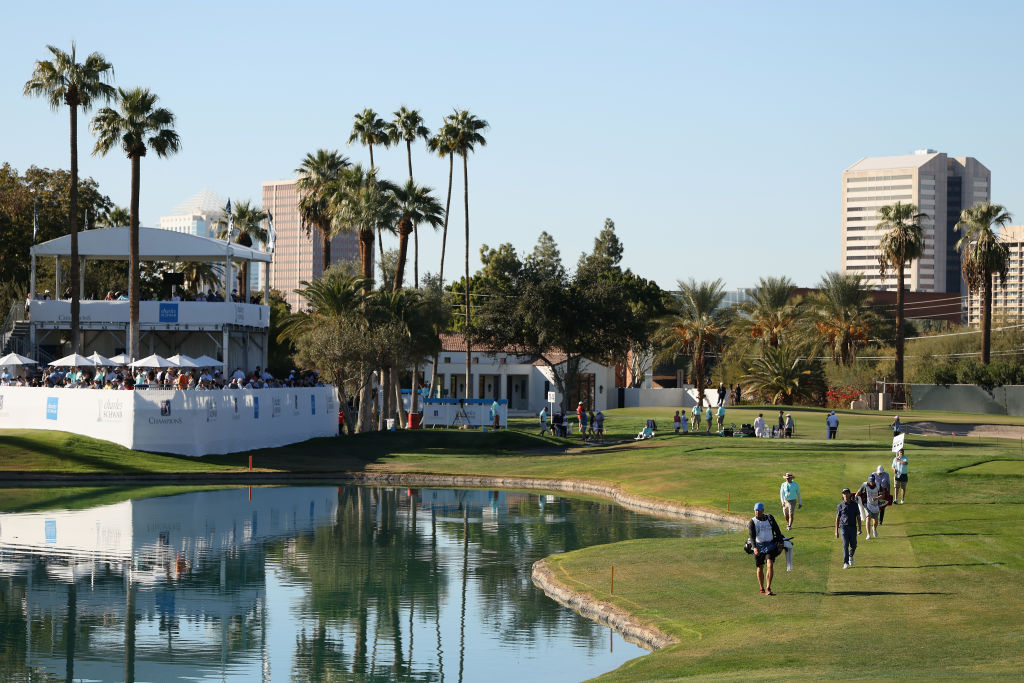
The 2026 model also includes "social landscaping" around practice facilities. We are seeing range-side dining and high-tech ball-tracking bays that turn a solo practice session into a communal event. This shift ensures the club remains relevant to non-traditional golfers who may never play a full 18 holes but love the social competition of a gaming-focused driving range.
The Math of Modernization: Calculating ROI and LTV
From a financial operations perspective, every square foot of the club must be analyzed for its revenue-generating potential. When calculating the roi of multi-generational club upgrades, we must look beyond immediate initiation fees. The real value lies in the Member Lifetime Value (LTV) and the reduction of the Customer Acquisition Cost (CAC).
By 2030, an average club's CAC is projected to hit $5,500. It is significantly more capital-efficient to invest in country club member retention through facility upgrades than to constantly market for new members. A $25 million renovation sounds daunting, but when broken down by its impact on Revenue Per Member (RPM), the math becomes clear.
| Metric | Traditional Model | 2026 Modernized Model |
|---|---|---|
| Avg. Member Age | 62 | 48 |
| Monthly Spend (F&B) | $350 | $850 |
| Annual Retention Rate | 88% | 96% |
| Focus | Golf-only | Wellness & Family |
Effective capital expenditure optimization involves prioritizing projects that offer the highest frequency of use. A hyperbaric oxygen therapy pod might be used six times a day, but a well-designed social-centric landscaping project around a resort-style pool can serve hundreds of members simultaneously. The goal is to create a "sticky" environment where the club is the default choice for work, fitness, and family life.
FAQ
What are the most common amenities at a country club?
Traditionally, the most common country club amenities include an 18-hole championship golf course, tennis courts, a swimming pool, and a dining room. However, modern standards in 2026 have expanded to include pickleball courts, high-end fitness centers with personal training, and casual grill rooms that function as co-working spaces.
Are country club memberships worth the cost for the amenities?
The perceived value of a membership depends on the frequency of use. For families, the value is often found in the variety of family-friendly country club features, such as camps and youth programs, which can offset the costs of external extracurricular activities. For professionals, the networking opportunities and high-end wellness facilities like longevity clinics often justify the annual dues.
Do country clubs typically have gyms or fitness centers?
Yes, nearly all private clubs now feature some form of fitness center. The trend is moving away from simple weight rooms toward holistic wellness centers that offer physical therapy, yoga studios, and recovery technology like red-light pods. These facilities are central to maintaining country club member retention among health-conscious younger demographics.
What kind of social activities do country clubs offer?
Clubs offer a wide range of social activities including holiday galas, themed wine dinners, and live music on the lawn. Increasingly, clubs are adding niche social events like coding clubs for kids, speaker series for investors, and farm-to-table culinary workshops to cater to diverse member interests beyond sports.
Do country clubs offer activities for children and families?
Modern clubs prioritize family engagement more than ever. Beyond traditional junior golf and swim teams, clubs now offer STEAM workshop facilities, daycare services, movie nights, and sports like wiffle ball. These private club modernization strategies are designed to make the club a central hub for the entire household's social life.