Quick Facts
- Market Milestone: Brent crude oil prices closed above the $100 threshold on June 1, 2026, for the first time in nearly four years.
- Technical Signal: Major equity indices have retreated, with the S&P 500 now trading below its 200-day moving average.
- Primary Catalyst: Severe logistical disruptions in the Strait of Hormuz have created a massive scarcity premium.
- Economic Outlook: Markets are pricing in a series of hawkish central bank pivots as energy costs keep inflation sticky.
- Sector Impact: Energy producers and commodity-linked financials are outperforming, while transport and utilities face severe margin erosion.
- Investor Sentiment: There is a clear flight to quality, with increased demand for the US dollar and short-duration cash equivalents.
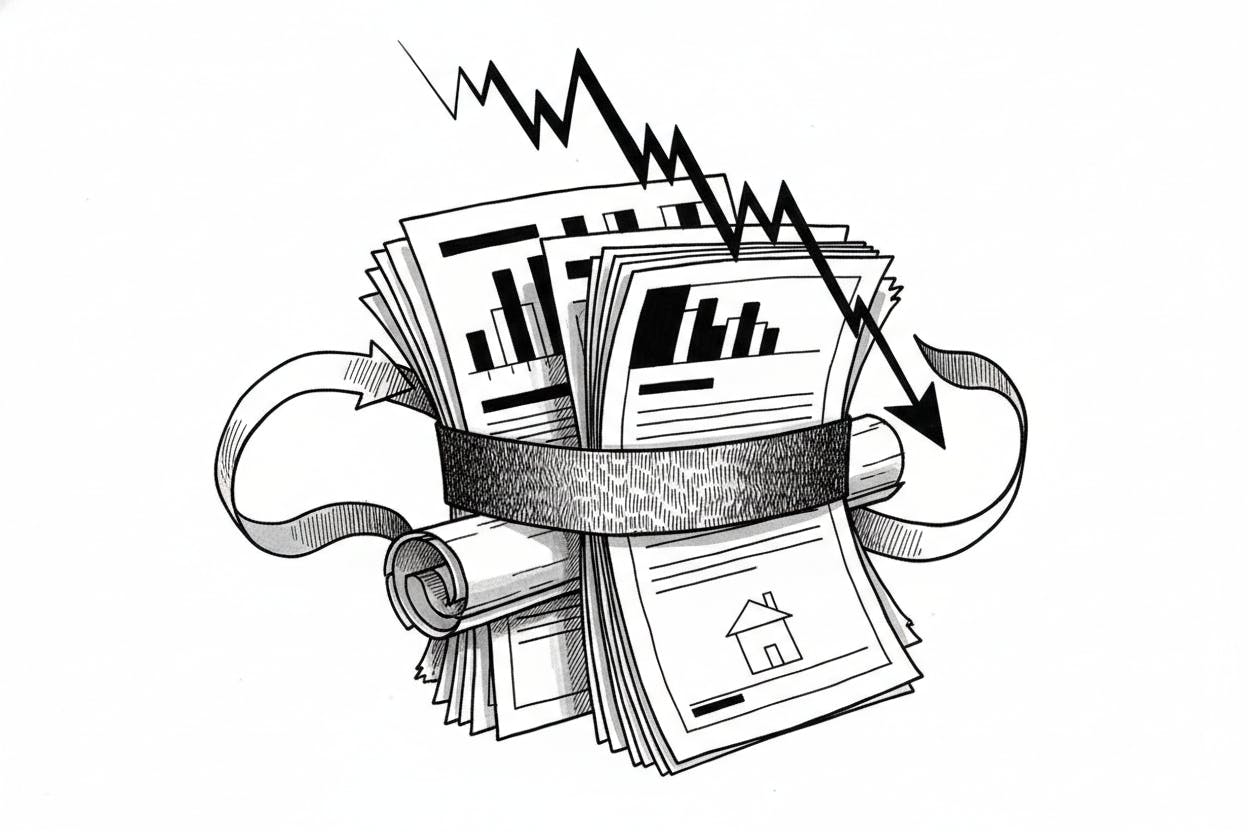
The benchmark Brent crude oil price surge past $100 per barrel on June 1, 2026, has sent global markets into a defensive crouch. This milestone marks a critical shift to risk-off investment strategies. The recent oil price surge past $100 per barrel has triggered a market-wide shift to risk-off sentiment. Investors are concerned that rising energy costs will sustain sticky inflation, forcing central banks to maintain higher interest rates for longer.
The Physical Reality: Why $100 Oil is Different in 2026
To understand the current market volatility, we must look at the physical movement of energy across the globe. Unlike previous price spikes driven by demand, the current environment is defined by an acute failure of infrastructure and safety in vital shipping lanes.
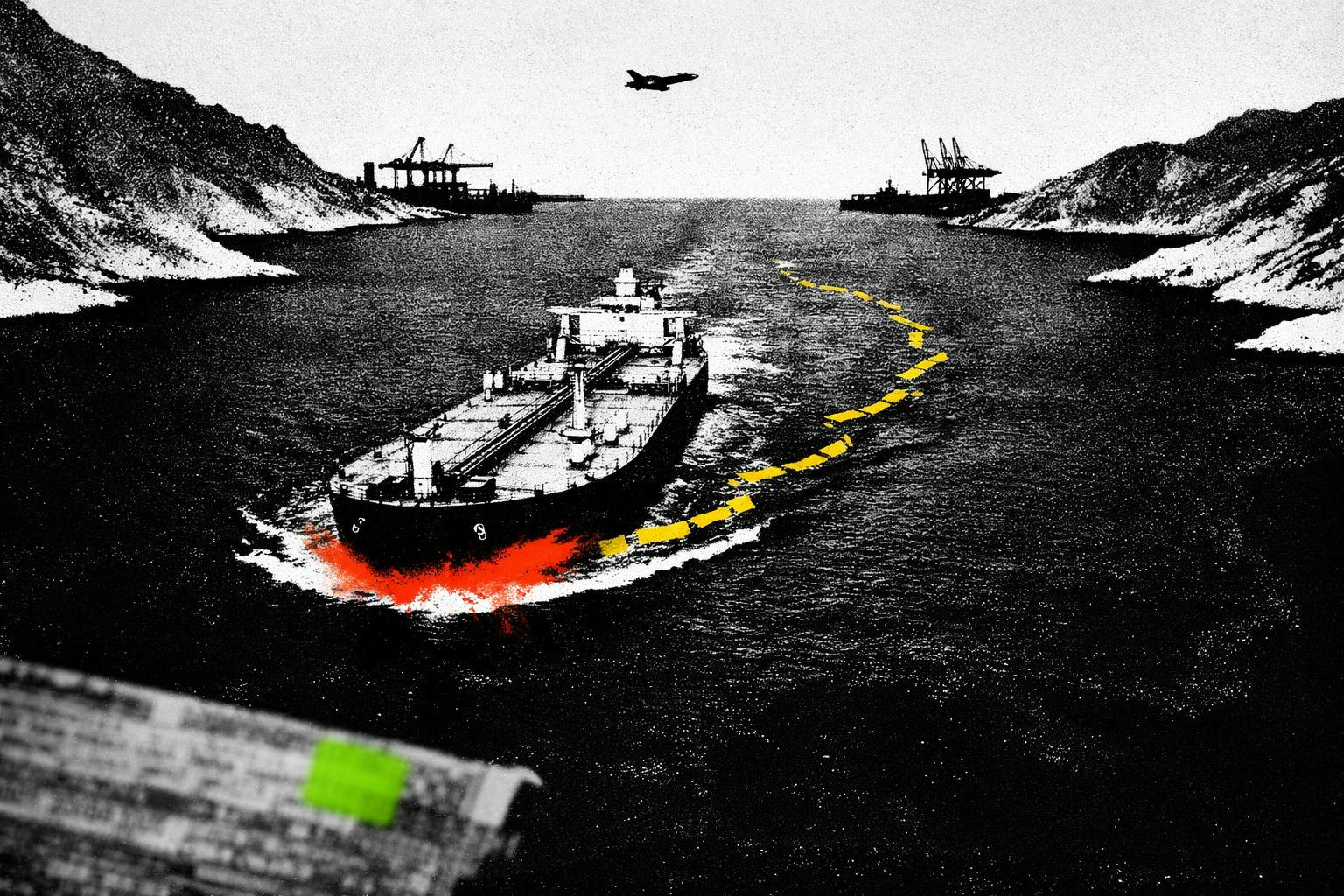
The most alarming metric for portfolio managers is the sudden collapse in traffic through the Strait of Hormuz. In a typical week, this corridor sees approximately 102 tanker transits. By the end of May 2026, that number plummeted to just 4 ships per week. This physical scarcity has created a geopolitical risk premium that cannot be countered by simply pumping more crude in other regions.
Furthermore, traditional backstops are proving ineffective. While the government has signaled intent to release more from strategic petroleum reserves, the move has done little to calm the market. Logistical bottlenecks and a recent wave of shipping attacks in the Gulf have made the actual transport of reserve barrels nearly impossible at scale. With at least 16 tankers currently disabled or anchored due to security fears, the market has accepted a $100 floor for the foreseeable future, creating a significant headwinds for global equity valuations.
Physical Supply Facts: 2026 Snapshot
- Strait of Hormuz Traffic: Down from 102 vessels/week to 4.
- Security Impact: 16 major vessels currently sidelined by regional conflict.
- Policy Failure: Strategic petroleum reserves are constrained by tanker traffic disruptions and loading area congestion.
Macro Dominoes: From Energy Costs to Interest Rates
The surge in energy prices is not an isolated event; it acts as a lead domino that knocks over assumptions about inflation and monetary policy. For investors, the concern is that energy-led inflation and interest rates will remain elevated, destroying the "soft landing" narrative that dominated early 2026.
Historical data suggests that markets struggle to digest triple-digit oil prices. On March 12, 2026, major U.S. stock indices dropped sharply as Brent crude oil closed above $100 per barrel for the first time since 2022, with the S&P 500 and the Dow Jones Industrial Average each falling by 1.5%. This reaction reflects a broader fear: when energy costs rise, central bank policy must tighten to prevent a wage-price spiral.
Research indicates this is part of a recurring pattern. An analysis by Bloomberg Intelligence shows that since 1983, the S&P 500 has experienced an average decline of 1.6% in the year following periods where oil prices exceeded the $100-per-barrel threshold. This downward pressure is caused by yield curve shifts as bond investors demand higher returns to compensate for sticky inflation. Consequently, as yields rise, the discounted present value of future earnings falls, which explains the significant impact of energy led inflation on tech stocks. High-growth companies are particularly vulnerable when borrowing costs are destined to remain higher for longer.
For those currently revising 2026 investment plan for higher for longer oil, the priority must be on liquidity and capital preservation. The tightening of US dollar liquidity often follows these energy spikes, creating a double-edged sword for international investors who face both falling asset prices and rising dollar-denominated costs.
Sector Selection: Winners and Losers in a Risk-Off Regime
The shift to risk-off investment strategies when energy prices rise requires a surgical approach to sector allocation. We are seeing a widening gap between companies that can pass on costs and those that are swallowed by them.
The contrast is particularly sharp when comparing the current AI infrastructure boom to the broader industrial market. While tech companies have committed $700 billion to capital expenditures in 2026, the energy scarcity premium is beginning to bleed into their operational costs, specifically in cooling data centers and powering hardware manufacturing. Meanwhile, sectors like transportation and utilities are suffering from immediate margin erosion as fuel input costs skyrocket.
| Sector | Exposure to Energy Costs | Typical Performance at $100 Oil | Investor Sentiment |
|---|---|---|---|
| Traditional Energy | Direct Beneficiary | Strong Outperformance | High Demand |
| Financials | High (via Interest Rates) | Resilient / Volatile | Mixed |
| Transportation | Extremely High | Significant Margin Erosion | Risk-Off |
| Technology | Medium (via Yields) | Corrective / Underperforming | Defensive |
| Utilities | High | Underperforming | Flight to Quality |
Experienced analysts are also looking deeper into the supply chain, differentiating between the price of the Brent crude benchmark and the actual refinery margins. For many industrial users, the lack of heavy crude availability is more damaging than the headline price of light sweet crude. This nuance is driving a flight to quality toward companies with integrated supply chains that own their own upstream production.
Portfolio Rebalancing: Investing in Inflation-Sensitive Assets
Strategic rebalancing is no longer optional; it is a necessity for protecting wealth through mid-2026. Transitioning a portfolio toward investing in inflation-sensitive assets helps mitigate the purchasing power loss associated with an oil price surge.
One of the most effective moves in the current climate is a pivot toward North American energy producers. Specifically, companies operating in the Permian Basin serve as geographic safe havens compared to those reliant on the Strait of Hormuz. When looking for the best inflation sensitive assets for $100 oil, focus on companies with high price-to-free-cash-flow (P/FCF) ratios. Leaders like OXY and CVX remain attractive because they generate significant cash that can be returned to shareholders even as the broader market corrects.
When considering how to rebalance portfolio for oil price surge, follow these tactical steps:
- Increase Cash Reserves: Liquidity is a defensive asset during a US dollar liquidity squeeze.
- Hedge Transportation Exposure: Use commodity derivatives to offset the rising fuel costs in your industrial holdings.
- Audit Fixed Income: Protect your bond portfolio from rising yields by shortening duration.
- Target Commodity Importers/Exporters: Reduce exposure to energy importers in Europe and Asia, favoring energy-neutral or energy-positive regions.
By adopting these risk-off investment strategies, you transition from a passive victim of market volatility to a proactive manager of geopolitical risk.
FAQ
Why are oil prices surging right now?
The primary driver of the current surge is a combination of geopolitical instability in the Middle East and physical logistical failures. Specifically, tanker traffic disruptions in the Strait of Hormuz have created a massive scarcity premium that strategic petroleum reserves have failed to offset due to bottlenecked infrastructure.
How do high oil prices impact the global economy?
High oil prices act as a tax on both consumers and corporations. They increase the cost of producing and transporting goods, which leads to margin erosion for businesses and reduced discretionary spending for households, ultimately slowing global GDP growth.
Does a surge in oil prices cause inflation to rise?
Yes, energy is a fundamental input for almost every sector. When crude prices rise, it triggers a chain reaction that results in sticky inflation, making it much harder for central banks to lower interest rates without risking further price instability.
What industries are most affected by rising oil prices?
The transportation, aviation, and utility sectors are most vulnerable due to their direct reliance on fuel input costs. Additionally, the technology sector is indirectly pressured as rising inflation pushes bond yields higher, lowering the valuations of growth-oriented stocks.
Can oil price surges lead to a recession?
Historically, significant and sustained spikes in oil prices have often preceded economic downturns. The combination of reduced consumer spending and the hawkish pivot by central banks to fight inflation can create a contraction in economic activity.
Mid-2026 Outlook and Strategy Recap
The road through 2026 remains challenging. With Brent crude maintaining a position above $100, the structural shift to a risk-off environment is likely to persist through the end of the year. Investors must accept that the era of low-cost energy and low-interest rates has faced a significant geopolitical interruption.
To navigate this, maintain a focus on companies with strong balance sheets and direct exposure to hard assets. Monitor the Strait of Hormuz for any signs of traffic normalization, but prepare for a higher for longer scenario. By favoring energy-sensitive hedges and maintaining a disciplined approach to sector selection, you can preserve your capital while others are caught in the margin squeeze. Success in this environment requires moving beyond hope and into active, risk-aware strategy design.