China Property Market: Portfolio Risk and Rebalancing
Quick Facts
- GDP Impact: The negative drag from the property sector is expected to narrow significantly to 0.5-1ppt in 2026 as the economy stabilizes.
- Liquidity Buffer: Chinese households hold a massive 160 trillion yuan in savings, representing a potential capital pool for future market reallocation.
- Home Ownership: A high 80.3% ownership rate acts as a persistent household wealth drag during periods of significant price correction.
- Pivot Signal: New economy sectors, including high-tech manufacturing, now account for 15-20% of total GDP, signaling a structural shift away from land-based growth.
- Investment Move: Professional strategies are currently switching real estate holdings to chinese ai chip stocks to capture growth in state-supported innovation sectors.
To manage China property holdings in 2026, investors must transition from passive ownership to active risk assessment. With ongoing developer bond defaults and high housing inventory, it is essential to evaluate regional market red flags and weigh the benefits of selling versus renting in a high-supply secondary market. Effective portfolio management involves identifying distressed debt risks and understanding how household wealth drags may influence long-term valuation recovery.
The Great Divergence: Mapping Real Estate Losses in 2026
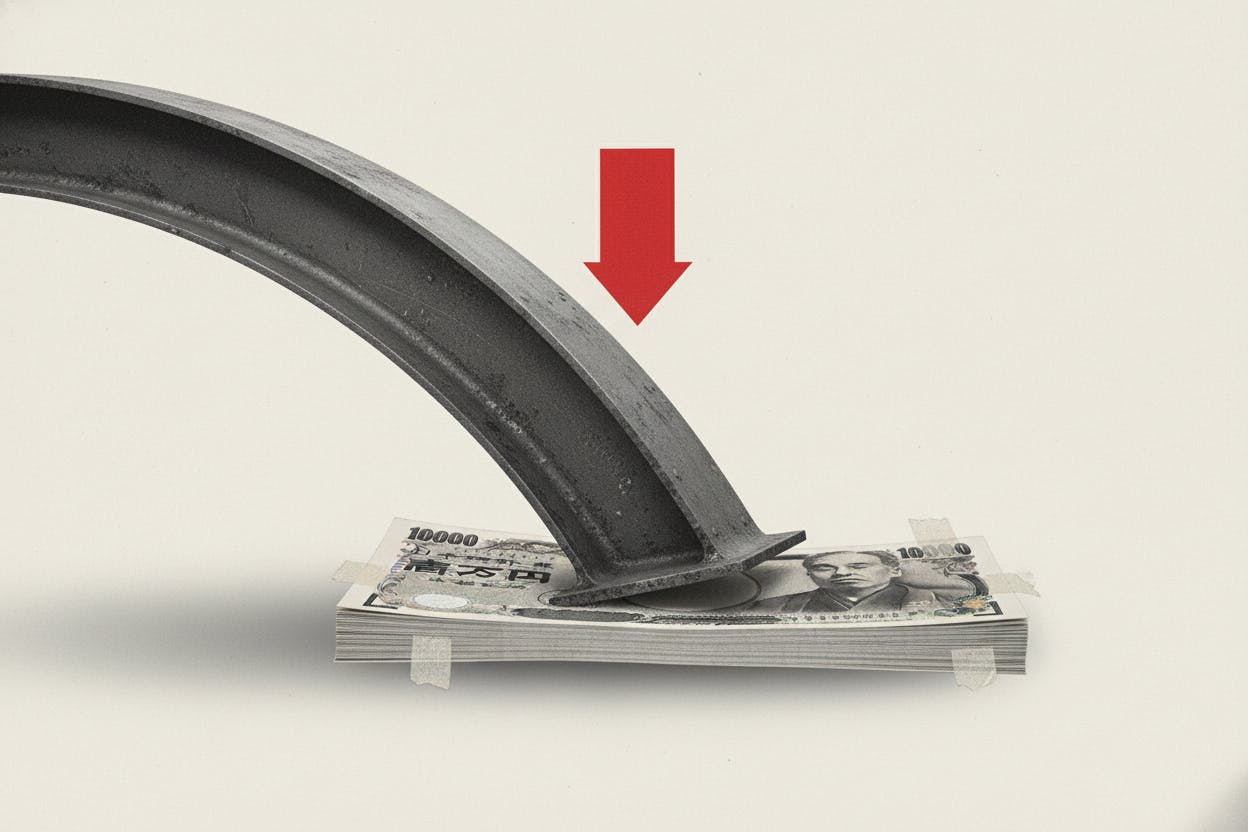
The landscape of the China property market in 2026 is defined by a sharp divergence between historical expectations and the new regulatory reality. For years, real estate accounted for nearly 30% of fixed-asset investment; today, that figure has recalibrated to approximately 16.9%. This shift has sent ripples through the CSI 300 Real Estate Index, which has touched record lows as the market moves away from asset-heavy industries.
For the private investor, the most immediate concern is evaluating developer bond defaults impact on private property value. When a major developer faces a liquidity crunch, the impact is not confined to institutional bondholders. It creates a "contagion of sentiment" that depresses the secondary market supply in surrounding areas. We have seen this play out with several high-profile firms where bond delays served as an early warning for a wider developer liquidity crunch.
Navigating this environment requires a china property market risk assessment for individual investors that looks beyond simple price charts. You must monitor:
- The secondary market premium: In many Tier-1 cities, the gap between new build prices and secondary market resale values is widening.
- Local fiscal health: With land-sale revenues in some provinces dropping by nearly 50%, the quality of local municipal services can impact the long-term desirability of residential assets.
Household Wealth vs. Housing Inventory: A Structural Reality Check
The core challenge facing the China property market is the tug-of-war between a massive housing inventory destock and a cooling demographic profile. Urbanization headwinds are no longer the tailwind they once were. As the pace of people moving to cities slows, the fundamental demand floor for new housing is shifting downward.
This creates a significant household wealth drag. Because over 80% of Chinese household wealth is tied up in bricks and mortar, a prolonged price correction dampens domestic consumption. When people feel their primary asset is losing value, they stop spending on discretionary goods, creating a feedback loop that slows the broader economy.
While this pain is localized to the domestic deleveraging process, it draws interesting parallels to global commercial trends. For context, the U.S. national office vacancy rate reached a record high of 19.6% in the first quarter of 2025. Much like the Chinese residential sector, U.S. office property values declined by 14% in 2024, with further drops projected. Furthermore, approximately $929 billion in U.S. commercial mortgage debt matured in 2024, highlighting a global struggle with interest rates and maturing debt that mirrors the liquidity pressures faced by Chinese developers.
For those holding assets in China, the impact of beijing high-tech self-reliance policy on property values is a critical factor. The government is intentionally steering capital away from the "dead weight" of overbuilt real estate and toward digital infrastructure growth. This policy pivot means that "ghost towns" or peripheral developments are unlikely to see a state-sponsored bailout.
Rebalancing Strategy: From Concrete to Chips
In a shifting economy, portfolio rebalancing for property investors is not just about selling; it is about strategic reallocation. The goal is to move capital from stalled or depreciating real estate assets into sectors that are receiving direct policy support and R&D intensity.
The most prominent path involves switching real estate holdings to chinese ai chip stocks and identifying high-growth chinese tech sectors that are essential to national core competencies. By diversifying real estate portfolios into high-growth chinese tech sectors, investors align themselves with the 2026-2030 industrial roadmap.
Sector Divergence Table: 2026 Outlook
| Feature | Real Estate Sector | High-Growth Tech (AI/Chips) |
|---|---|---|
| Policy Stance | Deleveraging and Risk Containment | National Strategic Priority |
| Growth Est. | -2% to +1% (Stagnant) | 15% to 22% (Aggressive) |
| Capital Intensity | High (Debt dependent) | High (Equity and State-backed) |
| Primary Risk | High housing inventory | Geopolitical trade restrictions |
| Asset Type | Physical/Illiquid | Digital infrastructure growth |
Strategy Tip: When considering how to rebalance a portfolio during a china real estate downturn, focus on the "New Economy" indices. These often include semiconductor infrastructure and digital hardware firms that benefit from the 160 trillion yuan household savings pool looking for a new home.
Regional Market Risk Sidebar (1-5 Scale)
- Tier-1 Hubs (Beijing/Shanghai): 2/5 - High resilience but low yield.
- Tier-2 Provincial Capitals: 3/5 - Mixed results; look for tech hubs like Hangzhou.
- Tier-3/4 Industrial Towns: 5/5 - High risk due to massive housing inventory and demographic departures.

Scenario Analysis: Worst Case vs. Staged Recovery
As we look toward 2027, the China property market will likely follow one of two paths. Understanding these scenarios is vital for long-term capital preservation.
Scenario A: Prolonged Stagnation In this "L-shaped" recovery, the deleveraging process takes longer than expected. Local governments struggle with fiscal paralysis due to the loss of land revenue, leading to a decade of flat prices. In this case, managing residential property losses in china requires a "sell on any rally" mentality to protect what remains of the principal.
Scenario B: Targeted Herbal Medicine Recovery This is the more likely "staged recovery" where Beijing uses surgical fiscal interventions to stabilize significant developers. Here, we see industrial consolidation where the strongest players absorb the distressed debt of failing ones. By late 2027, the market finds a floor, supported by a smaller but more sustainable urbanization rate.
For the risk-aware investor, the move to a strategic shift to Chinese high-growth tech remains the most prudent hedge regardless of which scenario plays out. Capital reallocation into technological self-reliance sectors provides the growth engine that the property market can no longer offer.
FAQ
Is the China property market crashing?
The market is undergoing a structural correction and a controlled deleveraging process rather than a sudden, unmanaged crash. While prices in lower-tier cities have seen significant declines, the government’s goal is "stability," which involves preventing a systemic collapse while allowing excess inventory to slowly clear over several years.
What caused the real estate crisis in China?
The crisis was triggered by the convergence of the "Three Red Lines" policy, aimed at curbing developer debt, and a natural peak in housing demand. This led to a developer liquidity crunch, making it difficult for major firms to finish projects or service their offshore bonds, eventually impacting household wealth across the country.
Will the Chinese government bail out property developers?
The central government has shown a preference for targeted support rather than a blanket bailout. Policies focus on "ensuring building delivery" to protect homebuyers and providing liquidity to "high-quality" developers, while allowing weaker firms to undergo restructuring or industrial consolidation.
What is the outlook for China's real estate sector?
The outlook remains cautious and "L-shaped" for the medium term. We expect the drag on GDP to diminish by 2026, but the era of rapid price appreciation is over. Future growth in the sector will be driven by specialized niches like senior living or green urban renewal rather than mass-market residential expansion.
How does the property market affect China's GDP?
Historically, the China property market and related sectors accounted for roughly 25-30% of GDP. As the sector shrinks, it creates a temporary drag on growth. However, the rise of the "new economy"—including electric vehicles, green energy, and semiconductor infrastructure—is intended to replace real estate as the primary driver of national economic expansion.