Quick Facts
- Monetary Pivot: The central bank has initiated a phase of 50-basis-point cuts projected for mid-2026 to stimulate domestic equity markets.
- Selic Target: Market analysts expect the benchmark rate to descend toward a 10.5% target by the close of 2026.
- Inflation Anchor: The IPCA inflation index has stabilized at approximately 4.1%, providing the necessary room for monetary easing.
- Valuation Advantage: The MSCI Brazil Index was trading at a price-to-earnings ratio of 6.7x in early 2025, significantly below historical norms.
- Fiscal Support: A projected R$160 billion fiscal boost is designed to support domestic consumption alongside falling interest rates.
- Investor Sentiment: A late 2025 survey showed that 33% of fund managers see the Bovespa rising above 180,000 points in 2026.
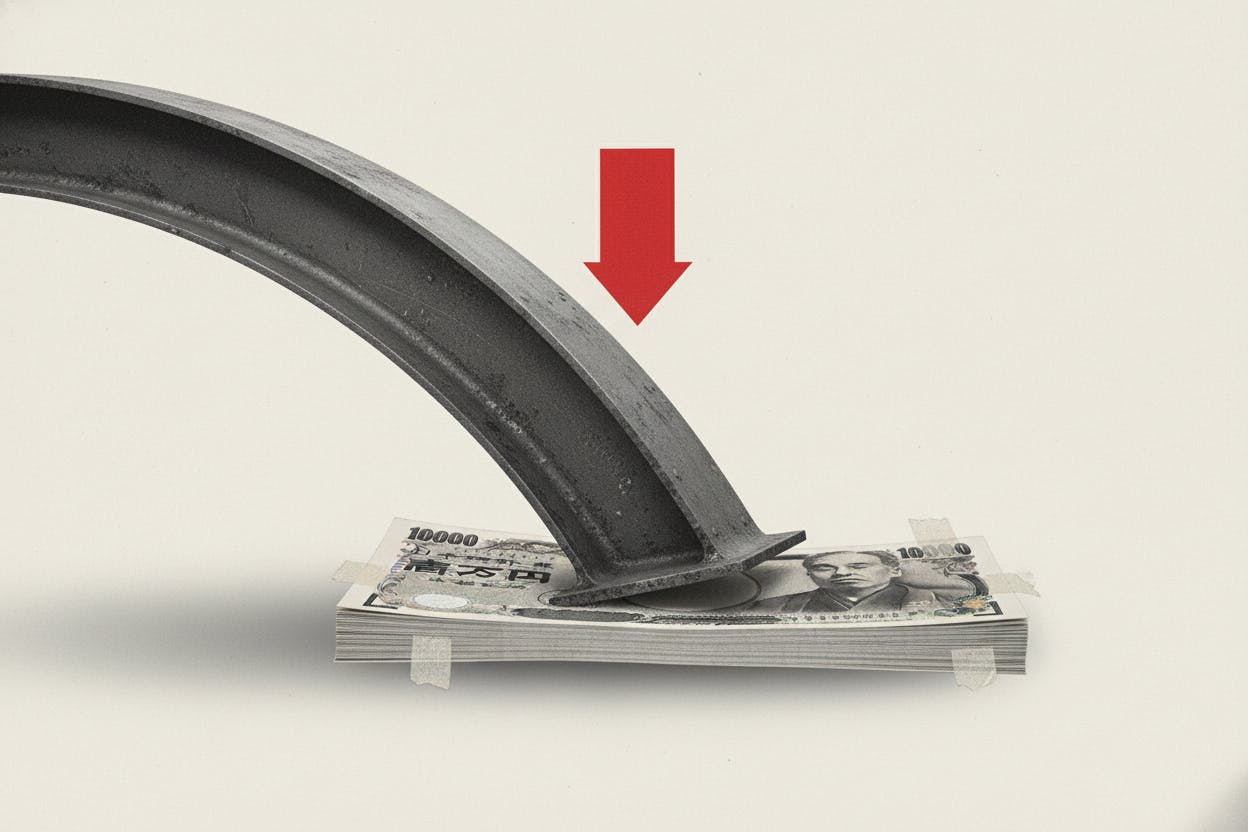
Brazil’s central bank has initiated a strategic pivot, adjusting the Selic rate toward a 10.5% target for 2026 as cooling inflation reached 4.1%. This shift enhances the valuation of the Ibovespa index and serves as a major catalyst for Latin American equity investment strategies by lowering debt costs and improving regional liquidity. As the Central Bank of Brazil maneuvers through 2026, the pivot in Brazil interest rates is becoming the primary driver for regional capital allocation, reopening windows for growth across sensitive domestic sectors.
The Selic Pivot: Navigating the 2026 Monetary Easing Cycle
The trajectory of Brazil interest rates has long been the gravity that dictates the movement of the nation’s equity markets. After a period of restrictive policy where the benchmark rate peaked at 15.00% in 2025, the Comitê de Política Monetária (COPOM) has signaled a clear transition. This monetary easing cycle is not merely a reaction to global trends but a calculated response to domestic inflation cooling to manageable levels. Current projections suggest that the central bank may reduce the benchmark Selic interest rate to 11.25% by the end of 2026, providing a much-needed reprieve for corporate balance sheets.
For the disciplined investor, this pivot represents more than just cheaper credit. It signals a reduction in the so-called Custo Brasil—the structural costs of doing business in the country. When the Selic rate falls, the equity risk premium becomes more attractive compared to fixed-income returns, which have dominated the local landscape for years. This shift encourages a migration of capital from high-yield bonds back into the Ibovespa index, particularly into companies with high leverage that stand to benefit most from lower debt servicing costs.
Understanding the COPOM Mechanism and Inflation Pegs
The decision-making process within COPOM remains anchored by the IPCA inflation index. By mid-2026, the convergence of inflation toward the 4.1% mark allowed policymakers to adopt a more accommodative stance. This pivot is critical for Latin American equity investment strategies as it sets a precedent for regional peers. Unlike previous cycles, the current easing is accompanied by structural reforms, including a comprehensive VAT overhaul, which aims to simplify the tax burden on industrial production. This combination of lower rates and structural efficiency is expected to drive a 2.1% expansion in domestic consumption.
Structural Gains: Beyond Finance to Operational Value
While the impact of Brazilian rate cuts on stocks is often viewed through the lens of financial engineering and debt reduction, the structural landscape of the Brazilian market has evolved. The dominance of traditional banking is being challenged by the rise of Neobanks, which now serve over 52% of active accounts in the country. These digital-first institutions have democratized access to the equity market, bringing a new wave of retail investors into the fold just as the interest rate pivot makes stocks more appealing.
The secondary impact of falling interest rates is the revaluation of asset classes. As yields on government paper decline, institutional investors are forced to seek alpha in the private sector. This is where the price-to-earnings ratios come into play. Historically, the Brazilian market has traded at double-digit multiples; however, the current valuation of 6.7x early in the cycle suggests a rare entry point for those focused on long-term appreciation.
The Regulatory Catalyst: CVM Resolution 175
A significant but often overlooked factor in the current market recovery is CVM Resolution 175. This regulatory framework has modernized the fund industry in Brazil, allowing for greater flexibility in asset allocation and improving transparency for foreign institutional investors. By aligning local fund structures with international standards, the resolution makes it easier for global capital to flow into Brazilian equities as the monetary easing cycle takes hold. This regulatory maturity, combined with falling Brazil interest rates, creates a more resilient foundation for the Ibovespa index than in previous bull runs.
Investment Note: CVM Resolution 175 represents a landmark shift in the Brazilian regulatory environment. Investors should note that the rules facilitate the inclusion of offshore assets and "Fixed-Income ESG" vehicles, allowing for more sophisticated Latin American equity investment strategies that mitigate local volatility.
Targeted Growth: Top Sectors to Buy as Rates Fall
The transition to lower interest rates does not lift all boats equally. Strategic portfolio allocation requires a focus on sectors where the delta of improvement is highest. As borrowing costs decline, domestic consumption and interest-sensitive industries typically lead the recovery.
- Domestic Consumer Stocks: With real household disposable income rising due to minimum wage adjustments and a tax exemption for those earning up to R$5,000 per month, the retail and consumer discretionary sectors are prime beneficiaries. Impact of Brazil interest rates on domestic consumer stocks is direct; as credit becomes cheaper, demand for durable goods and services tends to spike.
- Green Energy and Technology: Brazil’s power matrix is over 90% renewable, providing a structural advantage for energy-intensive industries. Lower rates facilitate the capital expenditures needed for new wind and solar projects, as well as the development of data centers for the growing AI sector.
- Infrastructure and Logistics: The global trend of nearshoring has turned Brazil into a hub for regional manufacturing. Falling rates reduce the cost of large-scale logistics projects, making the country an attractive destination for foreign direct investment (FDI).
When looking for the best dividend stocks for a Brazil interest rate cutting cycle, investors should focus on utilities and telecommunications companies. These sectors often carry significant debt to fund infrastructure; as the Selic rate drops, their interest expenses fall, directly boosting the bottom line and increasing the capital available for dividend distributions.
Regional Context: Divergence Across LatAm Equity Markets
The pivot in Brazil interest rates does not happen in a vacuum. It creates a notable regional monetary policy divergence in LatAm. While Brazil has moved aggressively to cut rates based on its specific inflation profile, other nations like Mexico or Chile may follow different timelines based on their unique ties to the US Federal Reserve or local fiscal challenges.
This divergence forces a significant Latin American equity rebalancing for Brazil interest rate pivot scenarios. Capital is fluid; it seeks the highest real yield adjusted for risk. If Brazil successfully lowers its nominal rates while maintaining a stable real yield above global inflation, it can attract "carry trade" investors moving out of more restrictive markets. However, this also introduces risks, specifically currency sensitivity.

As shown in the recent performance of the BRL exchange rate, the currency tended toward a range of R$4.95–R$5.10 as the rate-cutting cycle matured. Investors must be mindful that a narrowing interest rate differential with the US can lead to volatility. Therefore, the most successful Latin American equity investment strategies in 2026 will be those that hedge currency risk while capturing the domestic growth of the Brazilian industrial and consumer base.
FAQ
Are interest rates in Brazil expected to go down?
Market consensus and central bank signals indicate that the benchmark Selic rate is expected to continue a downward trend throughout 2026. After reaching restrictive highs to combat post-pandemic inflation, the current monetary easing cycle is projected to bring the rate toward a terminal level of approximately 10.5% or 11.25%, depending on the stability of the IPCA inflation index and fiscal performance.
How do Brazil's interest rates affect the value of the Real?
Interest rates have a direct "carry trade" relationship with the Brazilian Real. Higher rates typically attract foreign capital seeking high yields, strengthening the currency. Conversely, as Brazil interest rates fall, the narrowing differential with global benchmarks like US Treasury yields can lead to a weaker or more volatile Real. Investors often balance the gains from equity appreciation against potential currency depreciation during an easing cycle.
What is the Selic rate in Brazil?
The Selic rate is the central bank’s overnight lending rate and serves as the primary benchmark for all other interest rates in the Brazilian economy. It is the main tool used by the Monetary Policy Committee (COPOM) to control inflation and influence economic growth. Changes in the Selic rate directly impact borrowing costs for consumers, debt servicing costs for corporations, and the attractiveness of the equity market.
How do interest rates in Brazil compare to other emerging markets?
Brazil historically maintains some of the highest real interest rates in the world to counteract domestic price volatility and attract foreign investment. While the current pivot is lowering nominal rates, Brazil’s real rates—interest rates adjusted for inflation—often remain higher than those in emerging market peers like Mexico, Chile, or India. This high real yield floor helps protect the currency even during a domestic easing cycle.
Summary: Strategizing for the 2026 Pivot
For the long-term investor, the mantra for 2026 is one of cautious optimism centered on asset allocation. The pivot in Brazil interest rates provides a clear catalyst for the Ibovespa index, especially given its depressed valuation relative to historical averages. By focusing on sectors with strong operational fundamentals and those that benefit from domestic consumption, investors can navigate the complexities of regional monetary policy divergence in LatAm.
The success of these strategies depends on monitoring the interplay between the Selic rate and fiscal discipline. If the government maintains its budget targets while the central bank eases policy, the resulting economic expansion could sustain a multi-year bull market. For those rebalancing their portfolios, the focus should remain on high-quality domestic stocks that can thrive in a lower-rate environment without being overly exposed to global commodity price swings alone.