Quick Facts
- Low-Yield Trigger: Upscale primary suite additions rank among the worst investments, recouping an average of only 30% of their construction costs at the time of resale.
- The 24% Rule: Recent data indicates that national insurance premiums have outpaced home price growth by a factor of 10, making homeowners insurance a major factor in long-term affordability.
- Tax Deadline: May 15 serves as the critical cutoff in many jurisdictions for homeowners to appeal new property tax reassessments triggered by structural improvements.
- Material Warning: High-end materials can backfire; homes featuring marble flooring can see a sale price decrease of nearly 2% because buyers fear maintenance costs.
- The Invisible Mortgage: Homeowners often overlook that expanded square footage creates a permanent increase in utility consumption and climate control expenses.
- Operating Expenses: Beyond the initial check paid to a contractor, hidden renovation costs include permanent hikes in insurance premiums and ongoing service contracts for complex systems.
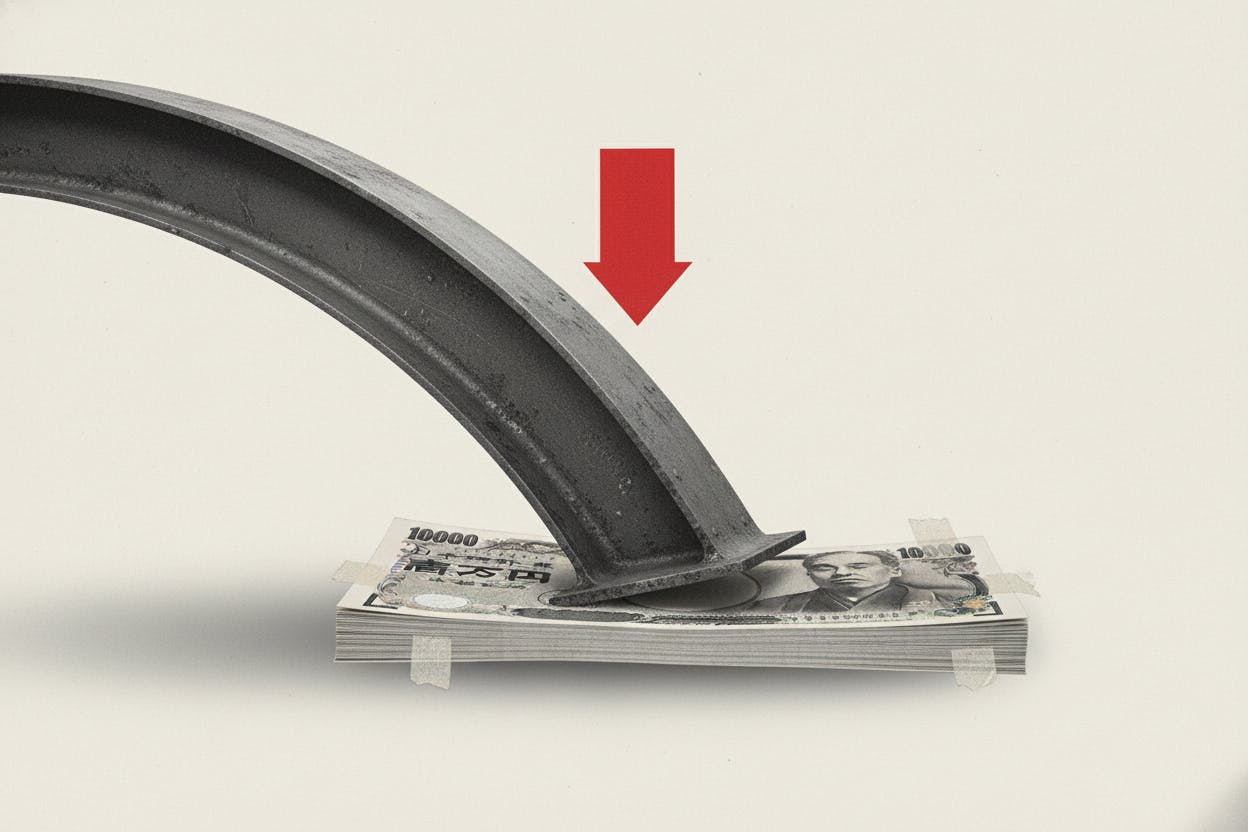
When homeowners plan a remodel, they often focus exclusively on the quote from the general contractor. However, true hidden renovation costs extend far beyond construction fees to include permanent increases in utility consumption, higher insurance premiums, and ongoing service contracts. Projects that add square footage or luxury features like swimming pools require permanent increases in energy and maintenance budgets. To preserve long-term wealth and avoid lifestyle creep after major home upgrades, it is essential to account for these recurring operating expenses that can drain your net financial proceeds over time.
The Tax Trap: How Additions Trigger Permanent Wealth Erosion
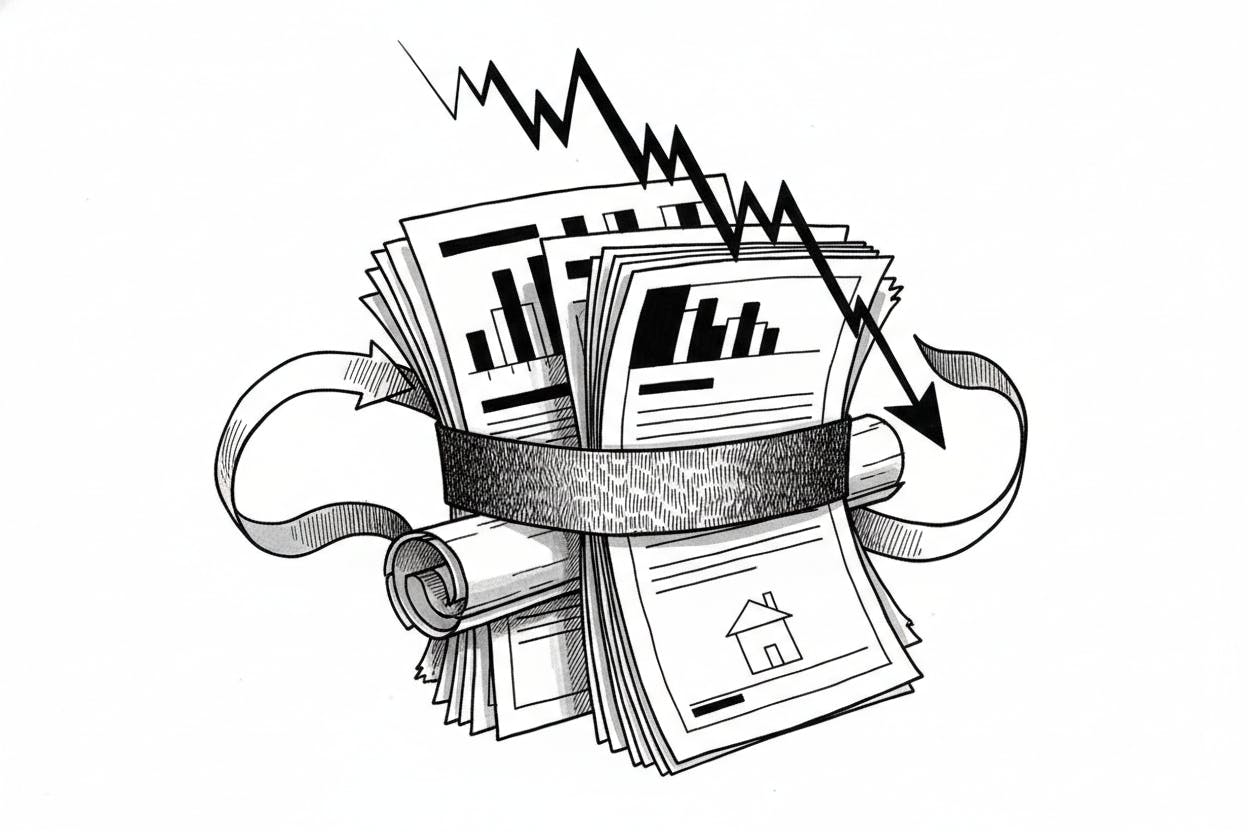
Many homeowners view their property through the lens of comfort, but the local municipality views it as a revenue source. Every time you pull a building permit for a structural change, you are essentially inviting the tax assessor to re-evaluate your home’s value. This is especially true for projects that increase the footprint of the home. A home addition property tax increase is not a one-time fee; it is a permanent "subscription" you pay to live in your own house.
There is a distinct difference between tax-neutral maintenance and tax-triggering improvements. Cosmetic updates like painting, replacing a roof with similar materials, or upgrading an HVAC system are often viewed as necessary maintenance that preserves value without necessarily triggering an immediate, aggressive reassessment. In contrast, structural additions, finished basements, or converting a garage into living space almost always lead to a higher bill.
| Project Type | Tax Impact | Wealth Consideration |
|---|---|---|
| Cosmetic (Paint, Flooring) | Neutral | Preserves marketability without hiking taxes. |
| Structural Addition | High Trigger | Increases property tax impact of home addition projects permanently. |
| Systems (HVAC, Electrical) | Low to Neutral | May improve energy efficiency and long-term resale. |
| Luxury Amenities (Pools, Outdoor Kitchens) | High Trigger | Often assessed at high value with low construction cost recovery. |
Understanding the property tax impact of home addition projects requires keeping a close eye on the calendar. In many regions, the May 15 deadline is the final opportunity to protest a valuation. If your renovation was completed late in the year, the jump in your tax bill might not appear until the following cycle, leading to a nasty surprise for your escrow account. Furthermore, you must prioritize tracking capital improvements for future tax basis adjustments. Keeping detailed records of every invoice ensures that when you eventually sell, you can prove a higher cost basis to the IRS, potentially saving thousands in capital gains taxes.

The Invisible Mortgage: 2026 Renovation Insurance Realities
In the current market, insurance has become the "invisible mortgage." We are seeing a significant decoupling of insurance premiums from the original purchase price of the home. As climate risks and construction costs rise, insurance companies are scrutinizing renovations more closely than ever before. If you are wondering how home renovations affect insurance premiums 2026 data shows that carriers are specifically looking for high-risk features that increase liability or repair complexity.
A major renovation insurance premium impact often stems from features that seem like luxuries but are viewed by insurers as liabilities. Skylights, for example, are frequently flagged for potential storm damage and leaks. High-end fireplaces, while cozy, increase fire risk profiles. Even something as simple as a decorative water feature can cause a premium spike due to the increased risk of water damage or personal injury liability.
The most effective way to combat this wealth drain is through home hardening. This strategy involves using weather-resistant materials and fire-suppression systems during your renovation. By focusing on structural integrity and risk mitigation, you may be able to offset the renovation insurance premium impact. Before you finalize your design, call your insurance agent to run a "what-if" scenario. Ask them how home renovations affect insurance premiums 2026 trends specifically in your zip code. You might find that choosing a different roofing material or omitting a certain feature saves you $1,200 a year in premiums—money that is better served in your brokerage account.

Lifestyle Creep: The Hidden Drain of High-End Features
As an editor focusing on mortgage options and housing finance, I often see the psychological trap of "forced appreciation." Homeowners convince themselves that a high-end renovation is an investment, but the numbers often tell a different story. The ongoing house maintenance costs of a "smart" home or a backyard oasis can cannibalize the very equity the renovation was supposed to create.
Consider the example of luxury materials. Real-world data from Zillow shows that specialized materials like marble flooring can actually detract from your home’s value. It isn't that marble isn't beautiful; it's that savvy buyers recognize it as a high-maintenance surface that is prone to etching, staining, and cracking. This fear of ongoing house maintenance costs translates directly into lower offers.
To avoid hidden renovation costs related to maintenance, homeowners should evaluate the long-term budget impact of every feature:
- Automation Systems: Smart home technologies often require proprietary service contracts and have a shelf life of less than a decade before they become obsolete.
- Specialized Landscaping: Elaborate gardens or exotic plants increase utility consumption significantly and require professional care that exceeds standard lawn maintenance.
- Pools and Spas: Beyond the energy to heat them, the chemical costs and specialized insurance riders create a heavy monthly "tax" on your lifestyle.
The goal is avoiding lifestyle creep after major home upgrades. This happens when the new "look" of your home demands a more expensive lifestyle to match it—expensive furniture to fill the new sunroom, higher heating bills for the vaulted ceilings, and more frequent professional cleaning for the gourmet kitchen. These are the leaks in your boat that slowly sink your net worth.

Wealth Protection Strategy: Auditing Your ROI
To ensure a renovation supports wealth building, you must treat your home like a line of business. This means auditing every design choice against its long-term financial impact. One of the most effective strategies I recommend is a "Pilot Program" approach. Instead of a $200,000 whole-home remodel, renovate a single high-impact area—like a kitchen or primary bathroom—first. This allows you to measure the actual increase in your utility consumption and maintenance needs before committing to a larger project.
Documentation is your best friend when it comes to wealth protection. Most homeowners lose track of their expenses the moment the contractor walks out the door. However, tracking capital improvements for future tax basis adjustments is vital. You should maintain a digital vault that includes:
- Original construction contracts and all change orders.
- Itemized invoices and proof of payment.
- Permit records and certificates of completion.
- Before-and-after photos to justify valuations to future buyers or tax boards.
Focus on "maintenance-neutral" or "cost-reducing" upgrades. For example, replacing old windows with high-efficiency models or installing commercial-grade Luxury Vinyl Plank (LVP) instead of high-maintenance hardwood can lower your ongoing house maintenance costs. These choices improve your quality of life without creating a permanent drain on your liquidity.

FAQ
What are the most common hidden costs in home renovation?
The most frequent surprises include the sudden jump in property tax assessments and the annual increase in insurance premiums. Beyond taxes, homeowners often find their utility bills surge due to larger footprints or energy-intensive appliances. There are also the secondary costs of window treatments, furniture, and landscaping that are rarely included in the contractor's initial quote but are necessary to finish the space.
Are there additional costs for updating electrical or plumbing systems?
Yes, and these often emerge only after the walls are opened. Bringing older systems up to current building codes can add thousands to a project. Furthermore, if you upgrade to a high-voltage appliance or add several new bathrooms, you may need a whole-house panel upgrade or a larger water main, both of which involve significant labor and city permit fees that fall outside a standard cosmetic budget.
Does insurance coverage increase during a home renovation?
Almost always. During construction, you often need a "builder’s risk" policy or a renovation rider to cover materials on-site and liability for workers. Once completed, your standard policy will likely increase because the replacement cost of your home has risen. Failing to notify your insurer of a major renovation can actually result in a claim being denied if the loss occurs in an undocumented part of the home.
What is the best way to avoid hidden renovation fees?
The best approach is a combination of a fixed-price contract and a 20% contingency fund. Before signing, ensure the contract specifies "unforeseen conditions" and how they will be billed. Additionally, consulting with both a tax professional and an insurance agent before construction begins can help you quantify the long-term hidden renovation costs so they don't catch you off guard later.
What are the typical unexpected expenses when renovating an old house?
Older homes often hide structural rot, lead paint, asbestos, or unpermitted work from previous owners. Remediating these issues is mandatory once discovered during a permitted renovation. You should also expect "matching" costs—the expense of finding specialized materials or craftsmen to replicate historic moldings and finishes so the new work doesn't look out of place.
Protecting Your Home Equity in 2026
The dream of a perfect home should never come at the expense of your financial freedom. As we look toward the housing landscape of 2026, the real winners will not be the homeowners with the largest kitchens or the most expensive marble floors. Instead, wealth will favor those who managed their hidden renovation costs with the precision of an institutional investor.
By understanding the property tax impact of home addition projects and proactively managing the renovation insurance premium impact, you turn your home into an asset that supports your lifestyle rather than a liability that drains your savings. Prioritize maintenance-neutral materials, keep meticulous records for future tax basis adjustments, and always weigh the psychological joy of an upgrade against its 10-year compounding cost. Real estate is a powerful tool for wealth creation, but only if you keep the "invisible mortgage" under control.