Quick Facts
- 2025 Organic Growth: Publicis Groupe achieved a growth rate of 5.6%, beating its initial guidance range.
- Currency Impact: The USD fluctuation resulted in a €356 million negative impact on reported revenue in 2025.
- Operating Margin: The group maintained a sector-leading margin of 18.2%.
- AI Contribution: AI-powered tools added 300bps directly to the total organic growth figure.
- Revenue Diversification: Approximately 60% of net revenue is now derived from the high-growth Connected Media segment.
- 2026 Guidance: Management projects continued momentum with organic growth targets set between 4.0% and 5.0%.
To accurately evaluate ad agency earnings, investors must distinguish between organic growth and headline profit. For Publicis Groupe, while foreign exchange volatility persists due to euro-denominated reporting, its core operational model continues to outperform the broader advertising sector through AI-powered media innovations and robust data platforms.
As the global advertising sector enters 2026, investors are scrutinizing ad agency earnings to separate operational momentum from currency-driven noise. While Publicis Groupe has delivered industry-leading organic growth, a weakening dollar remains a pivotal factor in reported profitability. For a holding company that generates over 60% of its profits in U.S. dollars but reports in euros, the math of foreign exchange translation can often mask the strength of the underlying business. Understanding this disconnect is essential for interpreting organic growth vs headline profit for ad agencies in the current macroeconomic climate.
The Currency Dilemma: Headline Risk vs. Operational Momentum
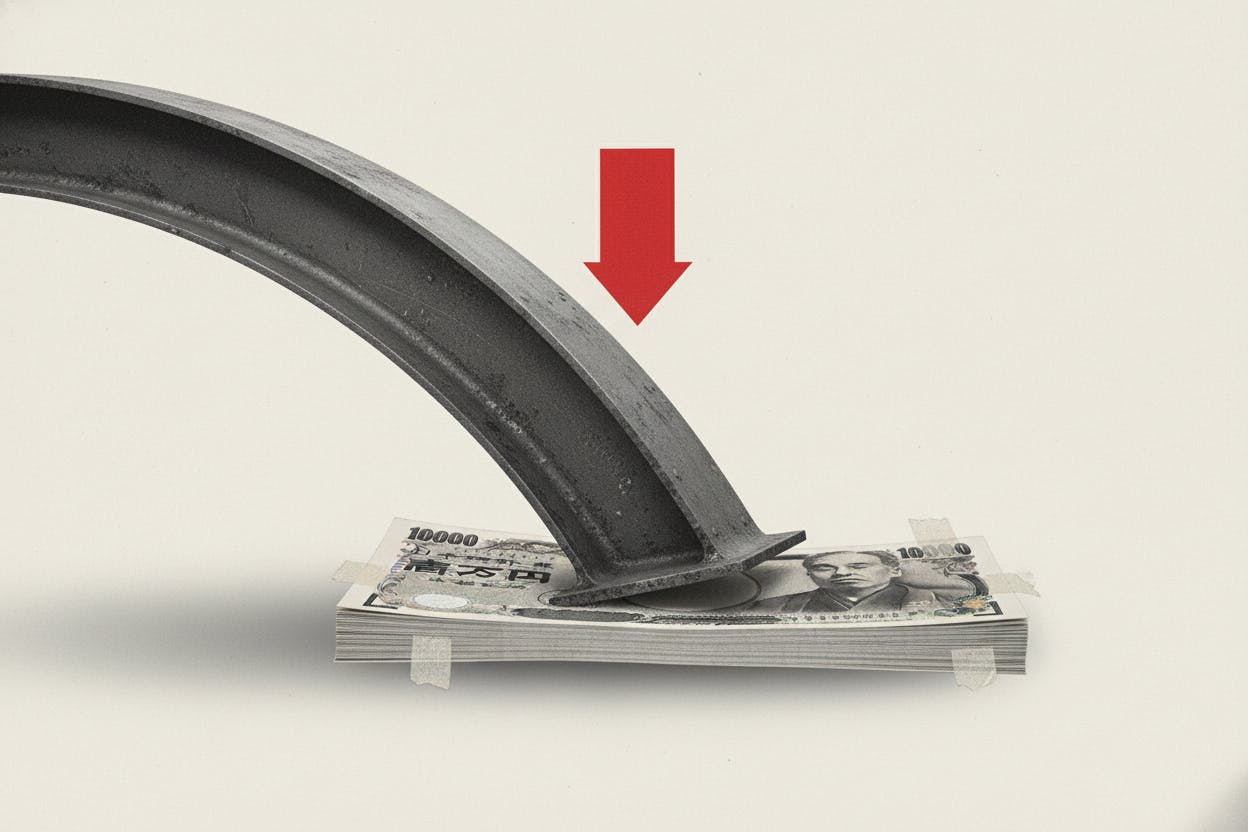
The primary challenge for Publicis Groupe investors in 2025 was navigating the gap between what the company earned in its local markets and what appeared on the final balance sheet. Because a vast majority of the group’s profit is generated in the United States, any depreciation of the dollar against the euro acts as a mathematical drag. In the 2025 fiscal year, Publicis Groupe reported a net revenue increase of 4.2% to €14.55 billion, which was notably lower than its organic performance.
This discrepancy highlights the pervasive nature of currency headwind investment risk. BofA Global Research has frequently noted that these fluctuations are often the "swing factor" in whether an agency meets or misses earnings per share estimates. When the dollar weakens, the converted value of those U.S. profits shrinks, often leading to headline figures that suggest stagnation even when the sales teams are winning record-breaking contracts.
Assessing currency risk in advertising stocks with high usd exposure requires a "look-through" approach. Investors should focus on the currency-neutral growth figures to understand if the company is gaining market share. In 2025, the €356 million negative hit from the USD suggests that the operational strength of the group was actually significantly higher than the reported 4.2% revenue growth would imply.
When learning how to analyze ad agency earnings during currency fluctuations, history shows that operational efficiency eventually outruns translation noise. While the headline EPS might fluctuate due to the euro-denominated reporting structure, the cash flow generated in the local currency remains available for reinvestment, debt reduction, or dividends.

Growth Engines: Connected Media and Agentic Platforms
If currency is the headwind, then technological integration is the tailwind. Publicis Groupe has successfully pivoted from being a traditional advertising holding company to a platform-based entity. The core of this transition lies in its Connected Media and Intelligent Creativity segments. These divisions are not just buzzwords; they represent a fundamental shift in how the marketing agency margin analysis is conducted.
Evaluating publicis growth drivers in connected media for 2026 involves looking at how Epsilon and Sapient have been integrated into daily workflows. By making data the "connective tissue" of the organization, Publicis has captured a larger share of the organic growth advertising sector. In 2025, the group achieved full-year organic net revenue growth of 5.6%, which comfortably surpassed the initial guidance of 4% to 5%.
The "Agentic" shift—the use of AI agents to automate media buying and creative versioning—is the next frontier. This is no longer speculative technology. Management has confirmed that AI contributed 300bps to the total growth figure in 2025. By automating lower-value tasks, the company has maintained pricing power while offering clients more granular, data-driven marketing solutions. This expansion in scope with existing clients is far more profitable than constantly chasing new business, providing a stable foundation for revenue diversification.
Performance Benchmarking: Publicis vs. The Advertising Sector
To see the "Publicis premium" clearly, one must look at how the group performs against its direct peers. While many traditional agencies struggled with a slowdown in tech spending and general macroeconomic uncertainty, Publicis maintained a resilient stance. The benchmarking marketing agency margin performance against sector trends reveals a significant gap between the leaders and the laggards.
| Performance Metric | Publicis Groupe (2025) | Industry Average (Est.) | Performance Gap |
|---|---|---|---|
| Organic Revenue Growth | 5.6% | 1.8% | +380bps |
| Operating Margin | 18.2% | 16.4% | +180bps |
| AI-Driven Growth Contrib. | 300bps | ~100bps | +200bps |
| Revenue from Digital Media | 60% | 45% | +15% |
This data confirms that Publicis is currently operating with an industry lead of several hundred basis points over peers. The group's ability to maintain an 18.2% margin is particularly impressive given the investment required to scale AI infrastructure. This margin resilience serves as a defensive moat, protecting the company from the full impact of any potential downturn in global ad spend.
As a portfolio strategist, I view this consistent outperformance as a sign of high-quality management. Even as we face a potential cooling of the U.S. economy in 2026, the structural shift toward Connected Media ensures that the group remains relevant to clients who are increasingly focused on measurable return on investment (ROI) rather than just "brand awareness."
Final Analysis for Investors
Looking ahead to 2026, the tug-of-war between strong organic growth and currency headwinds will likely continue. However, the operational story is one of market share expansion. Publicis Groupe has proven that it can grow even when the broader advertising sector is sluggish. The key for investors is to look past the euro-denominated headline figures and focus on the underlying health of the business.
With guidance for 2026 set at a healthy 4.0% to 5.0% organic growth, the company is signaling that the AI and data investments of the last five years are now paying dividends. While the weakening dollar remains a risk for those looking at reported euro profits, the business itself has never been more robustly positioned.
FAQ
What is the average profit margin for an ad agency?
The average operating profit margin for a large-scale advertising holding company typically ranges between 15% and 17%. Leading firms like Publicis Groupe have pushed this boundary further, achieving margins above 18% by utilizing high-margin data services and AI-driven automation which reduce the overhead associated with manual labor in media planning.
What are the primary sources of revenue for an advertising agency?
Traditionally, agencies earned revenue through media commissions and hourly fees. However, modern agencies now derive a significant portion of their income from data licensing, software-as-a-service (SaaS) platforms, performance-based marketing fees, and strategic consulting. At Publicis, approximately 60% of revenue is now linked to Connected Media and data-centric services like Epsilon.
Are digital marketing agencies more profitable than traditional agencies?
Generally, yes. Digital marketing agencies often have higher margins because they rely on scalable technology and data analytics rather than labor-intensive creative production. Agencies that successfully integrate "Agentic" solutions and AI can handle a higher volume of work with fewer personnel, leading to improved margin profiles compared to traditional, boutique creative houses.
How does agency size impact overall earnings?
Size provides a significant advantage in terms of data scale and purchasing power. Larger holding companies can negotiate better rates with global platforms like Google and Meta, which in turn attracts larger clients. Furthermore, the massive investment required for AI development—which Publicis cites as a major growth driver—is often only feasible for agencies with multi-billion euro revenues.