Quick Facts
- Lowest Overall Tax: Hyde County ($753 median annual bill)
- Best Mountain ROI: Swain County (0.22% effective rate)
- Top Coastal Pick: Bogue, Carteret County (27 cents per $100)
- State Income Tax: 4.5% flat rate for 2026
- Investment Sweet Spot: Towns with median tax under $1,000
- 2026 Warning: 12 counties undergoing revaluation this year
The most affordable areas for NC property tax investing include Hyde, Swain, and Graham counties, where median annual bills remain below $900. These regions offer investors lower millage rates and significant preservation of cash flow compared to urban hubs like Raleigh or Charlotte. By targeting these low property tax towns in North Carolina, investors can better navigate the shifting 2026 landscape while leveraging the state’s favorable 4.5% flat income tax rate to maximize net operating income.
The Real Estate Investor’s Guide to NC Property Tax in 2026
For the sophisticated investor, North Carolina represents a unique intersection of high migration and tax efficiency. While much of the headlines focus on the booming tech corridors of the Research Triangle or the financial prowess of Charlotte, the true margin for property investment often lies in the state’s diverse rural and fringe counties. Looking for high-yield real estate? Lowering your overhead starts with NC property tax strategies. While the state offers a flat 4.5% income tax, your real savings lie in specific counties where the ad valorem assessment models are less aggressive than in metropolitan centers.
In 2026, the strategy shifts toward cost-of-carry. As interest rates stabilize at a higher baseline than the previous decade, the property tax component of your PITI (Principal, Interest, Taxes, and Insurance) payment becomes a critical lever for cash flow analysis. North Carolina determines property taxes at the county level, meaning your millage rates can fluctuate wildly just by crossing a county line. For investors, seeking out areas near the Blue Ridge Highlands or the Inner Banks allows for lower initial capital outlays. These low-tax zones are particularly attractive for workforce housing and short-term rental strategies where operating margins are often squeezed by management fees and maintenance.
The Low-Tax 10: Best North Carolina Towns for Investors
Navigating North Carolina county property tax rates requires a granular look at how local governments balance their budgets. The following ten locations represent the cheapest places to buy investment property in North Carolina 2026 when considering the long-term tax burden.
Swan Quarter (Hyde County)
Hyde County currently ranks as the most affordable location for property taxes in North Carolina. For an investor, the draw here is the combination of low entry prices and minimal carrying costs. This area is ideal for those pursuing a long-term land play or specialized vacation rentals near the Pamlico Sound.
- Stat Box
- Median Annual Tax: median annual property tax bill of $753
- Median Home Price: approximately $119,600
- Investment Play: Inner Banks long-term hold / Eco-tourism rentals
Bryson City (Swain County)
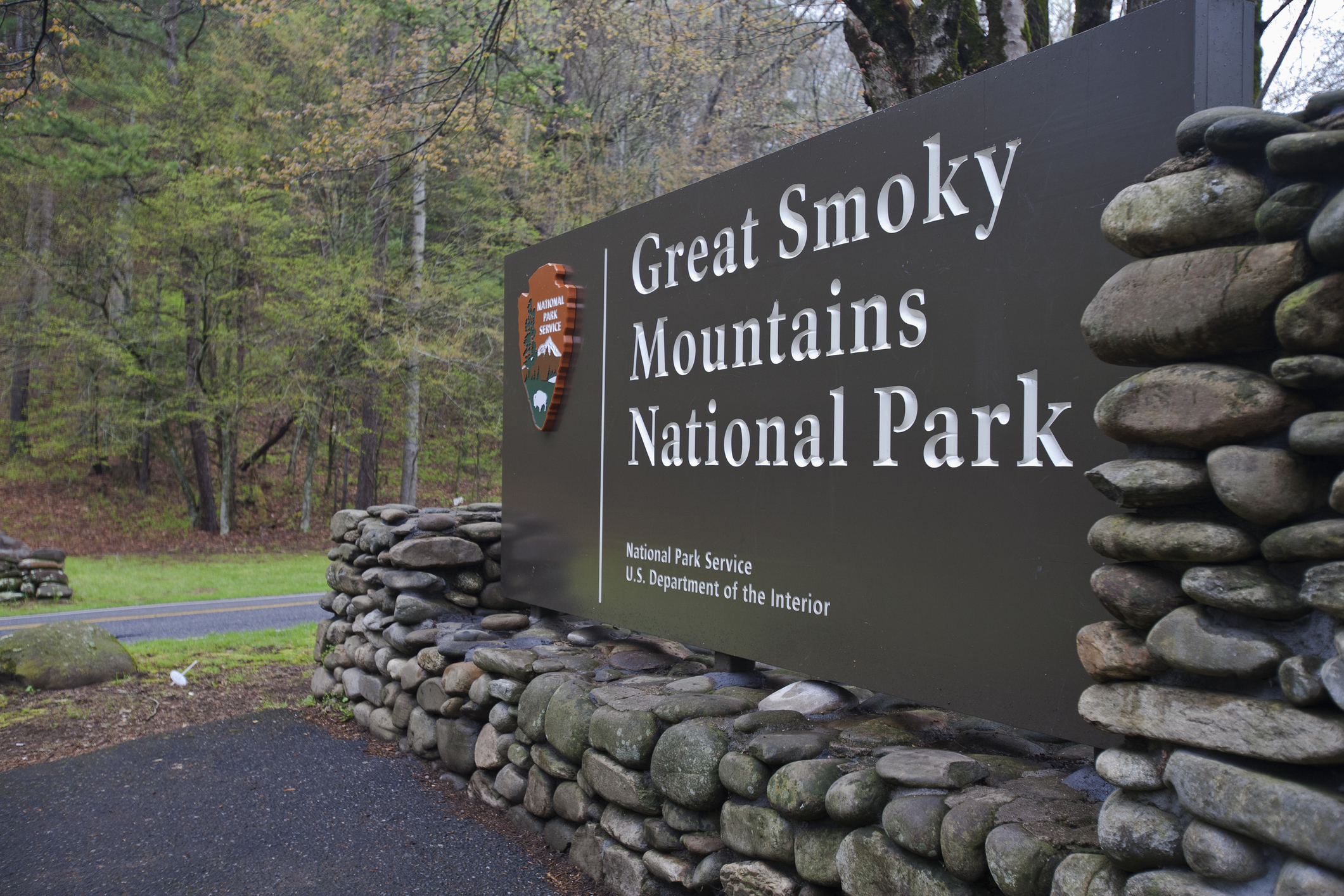
Swain County maintains the lowest effective property tax rate in North Carolina at 0.22%, making it a premier destination for short-term rental yield. Despite the rising popularity of the Great Smoky Mountains, the tax burden remains remarkably low, with median homeowners paying approximately $859 annually on a home valued at $207,000.
- Stat Box
- Median Annual Tax: $859
- Median Home Price: $207,000
- Investment Play: Short-term rental (STR) near National Park
Bogue (Carteret County)
If you are looking for coastal exposure without the punishing taxes of the Outer Banks, the town of Bogue is a standout. It offers one of the lowest combined effective property tax rates in North Carolina at 27 cents per $100 of assessed value. This makes it a strategic choice for buying rental property in North Carolina low tax areas that still offer beach access.
- Stat Box
- Effective Rate: 0.27 per $100
- Investment Play: Seasonal rentals / Coastal workforce housing

Robbinsville (Graham County)
For those looking for affordable mountain towns in NC with low property taxes, Robbinsville offers a median tax bill that stays well below state averages. It provides an excellent entry point for investors focused on outdoor recreation and getaway cabins.
- Stat Box
- Median Annual Tax: Approximately $840
- Investment Play: High-cap rate cabin rentals
Sylva (Jackson County)
Jackson County has emerged as a top pick due to its proximity to national parks and low tax burdens. With median property tax bills ranging from roughly $940, these locations provide a high preservation of cash flow. These hidden gems offer a combination of natural amenities and favorable cap rate metrics compared to the climbing costs in Charlotte and Raleigh.
- Stat Box
- Median Annual Tax: $940
- Investment Play: Student housing (Western Carolina University) / STR
Marion (McDowell County)
Located at the foot of the Blue Ridge, McDowell County offers a low-tax alternative to neighboring Buncombe County (Asheville). It is a prime location for investors seeking appreciation potential as mountain-bound remote work hubs continue to expand.
- Stat Box
- Tax Benefit: Roughly 40% lower than Asheville hub averages
- Investment Play: Fix-and-flip / Single-family rentals
Windsor (Bertie County)
Bertie County provides some of the lowest property tax assessments in the eastern part of the state. While it is more rural, the low overhead costs make it a candidate for workforce housing investment focused on agricultural and manufacturing sectors.
- Stat Box
- Median Annual Tax: $820
- Investment Play: Affordable housing / Section 8 portfolios
Lumberton (Robeson County)
Robeson County is consistently categorized as a high-affordability zone. For investors, the millage rates here allow for a higher debt-service coverage ratio (DSCR) on multi-unit properties, especially for workforce housing demand.
- Stat Box
- Effective Rate: Advantageous for large-scale multi-family
- Investment Play: Workforce housing / Commercial-to-residential conversions
Marshall (Madison County)
Marshall acts as a pressure-release valve for the Asheville market. It provides the mountain aesthetic and riverfront appeal but keeps the NC property tax liabilities significantly lower than urbanized mountain centers.
- Stat Box
- Investment Play: Arts-district STRs / Remote worker long-term rentals
Murphy (Cherokee County)
On the far western edge of the state, Murphy offers a unique tri-state appeal (bordering GA and TN). Its low property tax environment specifically attracts retirees, making it an excellent location for age-targeted long-term rentals or vacation homes.
- Stat Box
- Investment Play: Retiree-focused long-term rentals
Strategic Geography: Low-Tax Havens Near Major Hubs
Seasoned investors often look for "tax arbitrage"—buying in a low-tax county that sits just within commuting reach of a high-growth employment center. As remote work morphs into hybrid schedules, these fringe zones are seeing an explosion in workforce housing demand.
For example, low tax NC towns near Charlotte and Raleigh provide a safety net for your ROI. If you look at counties like Johnston or Alamance, you can often find millage rates that significantly undercut Wake or Mecklenburg. This geographic strategy allows you to tap into the high appreciation potential of a major hub while maintaining the lower operating expenses of a rural tax jurisdiction.
| Location Category | Typical County Property Tax Range | Best for Strategy |
|---|---|---|
| Coastal (Inner Banks) | $750 - $900 | Long-term appreciation |
| Mountain Rural | $800 - $1,100 | STR Yield / Cash flow |
| Urban Hub Fringe | $1,200 - $1,800 | Workforce housing |
| Major Metro (Raleigh) | $2,500+ | Luxury appreciation |

The 2026 Revaluation Risk: Protecting Your ROI
One of the most overlooked aspects of the NC property tax system is the revaluation cycle. North Carolina law requires counties to revalue real property at least every eight years, although many do so every four. In 2026, twelve counties are scheduled for revaluation, including major players like Guilford County.
When a revaluation occurs, the ad valorem assessment of your property could jump significantly if the local market has seen high appreciation. However, investors should look for the "revenue-neutral" tax rate. Often, as property values go up, the county will lower the tax rate to prevent a massive spike in bills. The risk lies in counties that maintain high millage rates even after values increase, which can instantly erode your cap rate metrics. Before buying, always check the county’s revaluation schedule to ensure your cash flow analysis accounts for potential assessment updates in the next 12 to 24 months.

FAQ
How much is property tax in North Carolina?
Property tax in North Carolina varies significantly by county because there is no statewide property tax rate. On average, the state's effective property tax rate is around 0.70% to 0.80% of a property's market value, but this can range from a low of 0.22% in Swain County to higher rates exceeding 1.2% in more urbanized or high-service counties.
How are property taxes calculated in NC?
In North Carolina, property taxes are calculated using an ad valorem assessment based on the appraised value of the property as of January 1 of the revaluation year. This value is then multiplied by the tax rate set annually by the county commissioners (and city council, if applicable). The rate is usually expressed as a dollar amount per $100 of assessed value, commonly referred to as the millage rate.
Are there property tax exemptions for seniors in NC?
Yes, North Carolina offers property tax relief for permanent residents aged 65 or older, or those who are totally and permanently disabled. Known as the Elderly or Disabled Exclusion, it allows qualifying individuals to exclude a portion of their home's value (typically $25,000 or 50% of the value, whichever is greater) from taxable assessment, provided they meet specific income requirements.
What is the NC homestead exclusion for property tax?
The NC homestead exclusion refers to the tax relief programs mentioned above for seniors and disabled persons, but also includes the Circuit Breaker Tax Deferment Program. This program allows qualifying residents to limit their property taxes to a percentage of their income, with the remainder of the tax being deferred as a lien on the property, which only becomes due upon a "disqualifying event" like the sale of the home or the owner's death.
Can you appeal a property tax assessment in NC?
Property owners have the right to appeal their property tax assessment if they believe the appraised value is significantly higher than the actual market value. The process typically starts with an informal review with the county tax office, followed by a formal appeal to the local Board of Equalization and Review, and potentially a further appeal to the North Carolina Property Tax Commission.
How often does NC reassess property values?
State law requires each of the 100 counties to reassess property values at least once every eight years. However, many fast-growing counties have moved to a more frequent four-year cycle to more accurately reflect market conditions and avoid sudden, massive jumps in tax liability for residents.

Start Your North Carolina Investment Journey
Investing in North Carolina is no longer just about picking the hottest zip code in Charlotte. As the 2026 market matures, the most successful investors will be those who master the "boring" side of the ledger: taxes and carrying costs. Rural and fringe North Carolina counties offer a compelling case for the modern portfolio, combining the state’s flat tax benefits with localized property tax advantages.
Whether you are targeting the high-demand vacation markets of Bryson City or the untapped potential of the Inner Banks, the strategy remains the same. Do your due diligence, verify the revaluation schedules, and always run your cash flow analysis using the most recent 2026 millage data. The path to long-term wealth in real estate is paved with disciplined overhead management, and in North Carolina, the opportunities for low-tax growth have never been more apparent.