Quick Facts
- Primary Trigger: Closing your only active installment account.
- Average Point Drop: 10 to 20 points for most credit profiles.
- Recovery Duration: Typically 30 to 90 days, though high-score profiles may take up to 6 months.
- Critical Risk: Avoid paying off large loans within 90 days of a mortgage application.
- Score Component: Credit mix accounts for 10% of your total FICO score.
- Account Status: While the history remains for 10 years, a closed status removes active seasoning benefits.
Paying off an installment loan can lead to a credit score drop because it often reduces your credit mix diversity and moves a seasoned account from active to closed status. If the loan was your only installment account, its closure leaves your profile with only revolving credit, which some FICO scoring models penalize. Additionally, while the account remains on your report, its conversion to a closed status can impact the average age of active accounts and the overall credit file thickness.
Have you noticed an unexpected credit score drop after a car loan payoff? It feels like a penalty for doing the right thing. You worked hard to clear that debt, yet the number on your dashboard went down instead of up. This guide explains the mechanics of the loan payoff credit drop, why it happens, and how to recover your points.

The Credit Mix Paradox: Why Debt Freedom 'Hurts'
To understand why your score dips after paying off a loan, we have to look under the hood of FICO scoring models. Lenders like to see that you can manage different types of debt simultaneously. This is known as credit mix, which includes having a variety of account types such as mortgages, auto loans, and credit cards. According to data from FICO, credit mix accounts for approximately 10% of a person's FICO credit score.
When you pay off your only installment loan, you are effectively reducing your account diversity. You might think that being debt-free makes you a safer bet for lenders, but the math used by credit bureaus tells a different story. Analysis of credit files by FICO indicates that individuals with no active installment loans represent a higher risk of default than those who have installment loans actively being repaid. It seems counterintuitive, but showing that you can consistently meet a monthly fixed payment is a strong indicator of financial stability.
Furthermore, there is the issue of account seasoning. An installment loan that you have been paying on for five years provides significant account seasoning and adds to your credit file thickness. When that account moves to a closed status, it no longer contributes to the "active" portion of your profile in the same way. Additionally, paying off an installment loan can lead to a credit score decrease because it removes the scoring benefit provided by a loan that has been significantly paid down relative to its original balance. FICO rewards you when you demonstrate you can pay a large debt down to its final stages; once the debt is $0 and closed, that specific "near-completion" bonus disappears.
Comparison: Revolving Credit vs. Installment Loans
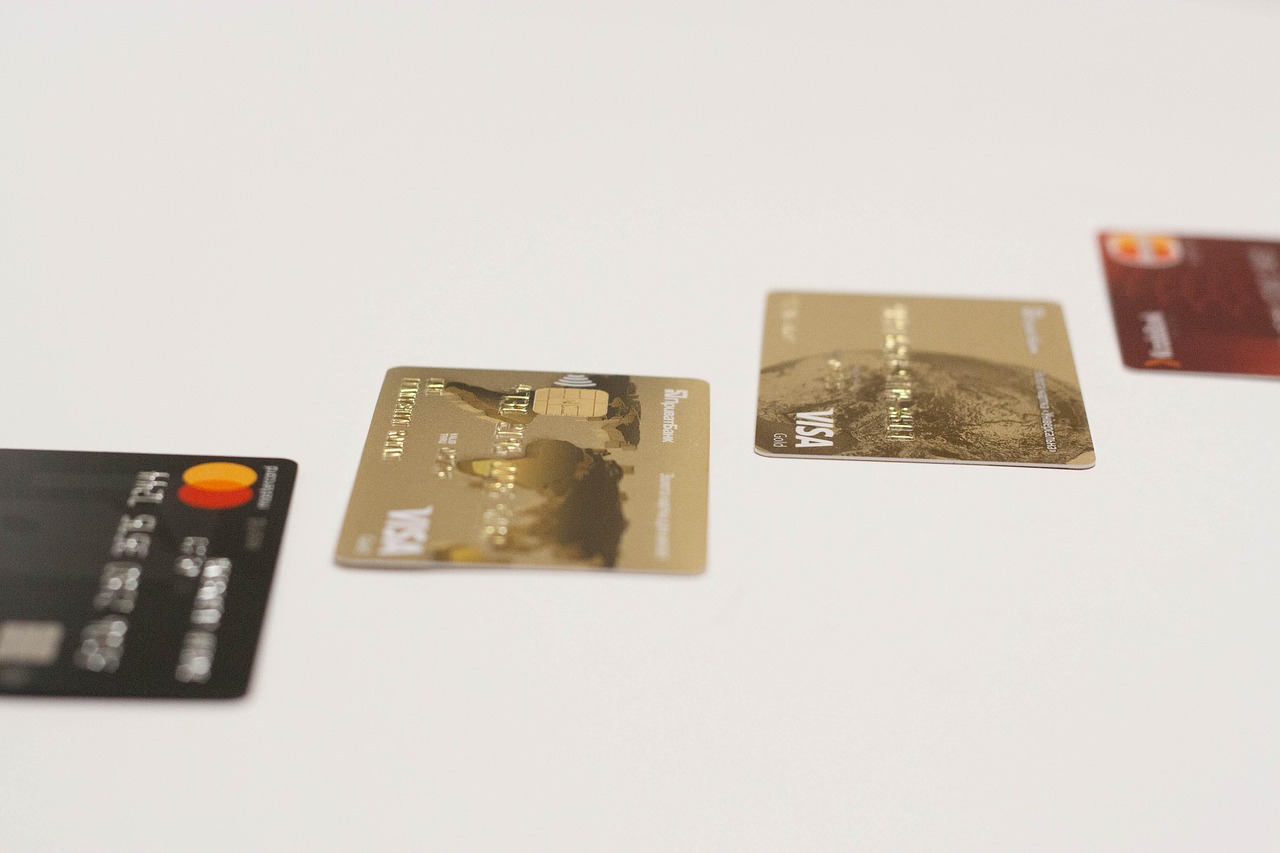
It is important to distinguish between paying off a credit card and paying off a loan. These two actions have vastly different impacts on your credit report. When you pay down revolving credit lines, such as a Visa or Mastercard, your credit utilization ratio drops. This is a massive win for your score, as utilization makes up 30% of your FICO score.
However, an installment loan payoff does not affect utilization in the same way. Because installment loans have a set end date and fixed payments, they aren't part of the utilization calculation. If you are deciding whether to pay off small loan balances with 670 credit or using that money to wipe out credit card debt, I almost always recommend prioritizing the credit card. Not only will the credit card payoff likely increase your score, but you will also save more money by avoiding the high 21%+ APR typically associated with credit cards.
| Feature | Revolving Credit (Credit Cards) | Installment Loans (Auto, Student, Personal) |
|---|---|---|
| Primary Score Factor | Credit Utilization (35%) | Credit Mix & Payment History (10% & 35%) |
| Effect of $0 Balance | Score usually increases significantly | Score may decrease slightly |
| Account Status | Stays open and active | Closes automatically once paid |
| Interest Type | Variable and usually high | Fixed and usually lower than cards |
| Strategic Recommendation | Pay off immediately to boost score | Time the payoff carefully before big purchases |
Mortgage Warning: The 90-Day Critical Window
Timing a loan payoff is critical if you are planning a major purchase like a home. One of the biggest mistakes you can make is paying off a car or student loan just weeks before applying for a mortgage. A sudden drop after paying off an auto or student loan can push your score into a lower interest rate tier just as you apply for a mortgage.
Mortgage rate tiers are highly sensitive. A 20-point drop in your score could be the difference between a 6.5% interest rate and a 7.0% rate. Over a 30-year mortgage, that 0.5% difference can cost you tens of thousands of dollars in interest. To minimize risk, avoid closing your only active installment loan within 90 days of a preapproval. If you have the cash ready to pay off the loan, hold it in a high-yield savings account until after you have signed the closing papers on your new home.
Mason's Pro-Tip: If you are in the middle of a home search, keep your credit profile as "static" as possible. No new cards, no closed loans, and no large purchases on credit. Wait for the keys to the house before you celebrate by paying off your car.

How to Recover Your Score: A 5-Step Action Plan
If you have already experienced a loan payoff credit drop, don't panic. The impact of closing your only installment loan on credit mix is usually temporary. If you see an unexpected drop, the score typically begins to stabilize over several reporting cycles as your remaining accounts age and your debt-to-income ratio improves.
Here is my 5-step diagnostic and recovery plan to get your points back:
- Verify the Credit Bureau Reporting: Check your credit reports to ensure the loan was marked as "closed in good standing." It can take 30 to 45 days for the status to update. If it shows as delinquent or "settled for less than the full amount" (and you paid it in full), you need to act.
- Monitor for Reporting Errors: This is especially important for those dealing with student loan forgiveness. Administrative processing delays can sometimes trigger false delinquency marks even on $0 balances. If inaccuracies appear, you must submit a dispute to the credit bureaus with official lender documentation to remove the negative marks and restore your credit standing.
- Optimize Revolving Accounts: Since your installment mix has taken a hit, you need to lean on your revolving credit lines. Keep your balance below 10% of your total limit on each card. This high level of discipline helps offset the loss in account diversity.
- Allow for Natural Aging: The average age of accounts is a key component of your score. Once the loan is closed, your active accounts need time to "season" and show length of history. Patience is your best friend here; most scores bounce back within three reporting cycles.
- Re-establish Installment History (If Necessary): If you have zero remaining installment accounts and your score hasn't recovered after six months, you might consider a small credit-builder loan. This adds a new active installment line back to your mix, though for most people, simply waiting is the better, lower-cost option.
Recovery Timeline Table
| Event | Expected Impact | Recovery Time |
|---|---|---|
| Auto Loan Payoff | -10 to -25 points | 2 to 3 months |
| Personal Loan Payoff | -5 to -15 points | 1 to 2 months |
| Student Loan Forgiveness | -10 to -30 points | 3 to 6 months |
| Mortgage Payoff | -15 to -40 points | 6+ months |

FAQ
Why does my credit score drop after paying off a loan?
A credit score drop happens because the FICO scoring models value a diverse mix of account types. When you pay off and close an installment loan, you may lose points associated with having an active installment account in your credit mix. Additionally, you lose the benefit of showing a low balance relative to the original loan amount, which is considered a positive scoring factor.
How many points will my credit score decrease after a loan payoff?
For most consumers, the decrease ranges between 10 and 20 points. However, the exact number depends on your overall credit file thickness. If the loan was your only installment account or your oldest account, the drop could be more significant. Conversely, if you have other active loans like a mortgage or another car note, the impact may be negligible.
How long does it take for a credit score to go back up after paying off a loan?
Most people see their scores begin to recover within 30 to 90 days. This timeline allows for a few credit bureau reporting cycles to pass and for your remaining active accounts to continue aging. If you maintain low credit card balances, your score will usually stabilize and return to its previous level relatively quickly.
Does closing a loan account hurt your credit score?
Yes, it can. While it seems counterintuitive, closing a loan account affects the Average age of accounts and the credit mix. An open loan that is nearly paid off is actually better for your score than a closed loan with a zero balance. However, the "hurt" is often temporary and should not discourage you from becoming debt-free and improving your debt-to-income ratio.
Why did my credit score drop after paying off my car?
An unexpected credit score drop after car loan payoff usually occurs because the car loan was providing an installment loan credit mix impact that is now gone. Furthermore, if the car loan was one of your older accounts, its transition to a closed status changes how FICO views the seasoning of your active credit profile. Once the reporting cycles catch up, your improved financial standing will eventually be reflected in your score.