Quick Facts
- The Reality: The average used car budget sweet spot has shifted to $22,000–$25,000.
- Income Rule: Spend 15% (Frugal), 25% (Standard), or 35% (Enthusiast) of pre-tax income.
- Best Value: Used EVs and Hybrids now offer 30-50% depreciation discounts compared to new models.
- Hidden Cost: Always set aside $150-$250 for a professional Pre-purchase inspection (PPI).
- Negotiation Metric: Only negotiate the Out-the-Door (OTD) price, not monthly payments.
Navigating the market for buying used cars in 2026 requires a new strategy. With average prices stabilizing but remaining high, savvy buyers must focus on used car budget guidelines and expert used car negotiation tactics to find value. Whether you are seeking affordable used car models or considering a midlife makeover for your current vehicle, this guide provides the math and scripts needed to save thousands.
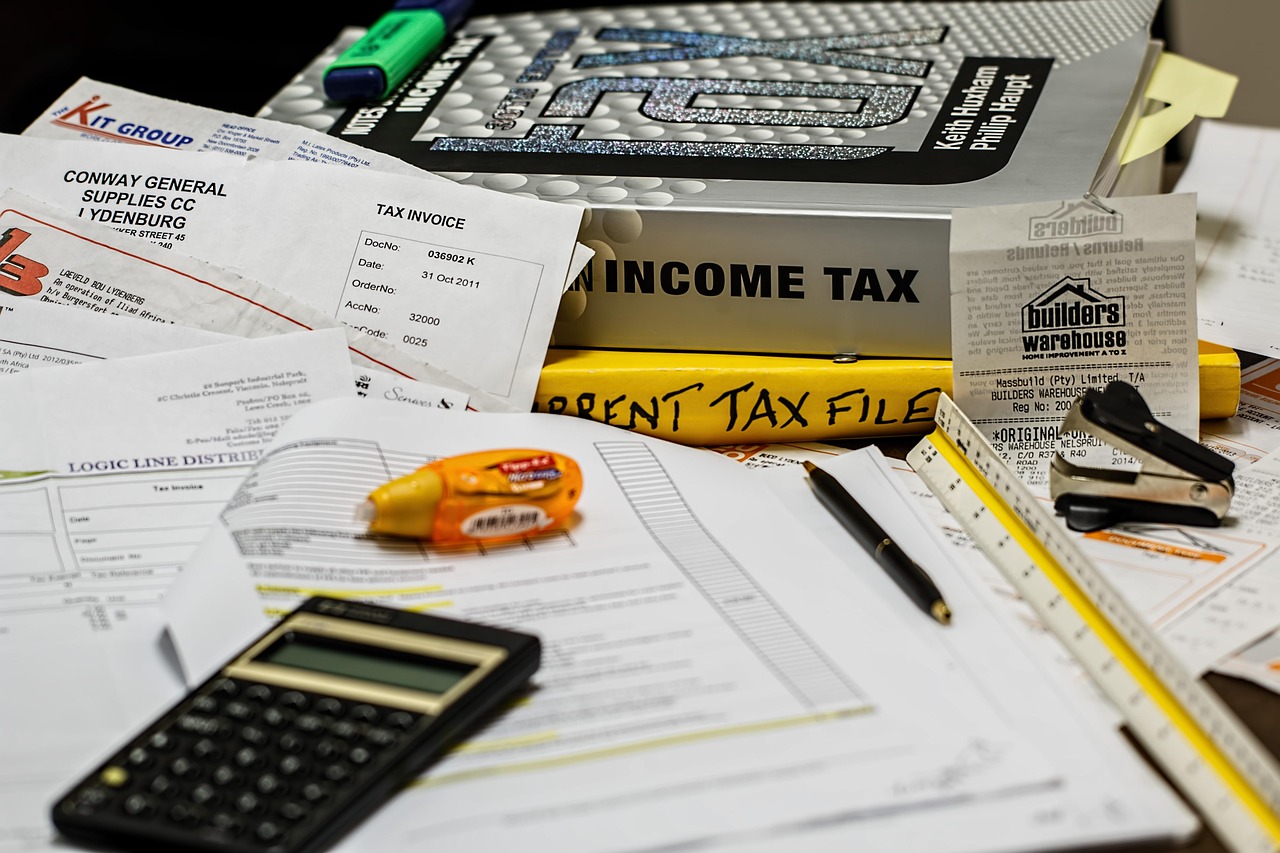
To maintain financial health when buying used cars, follow tiered budget guidelines based on your annual pre-tax income. Frugal commuters should aim to spend 15% of their income, while those seeking additional comforts can budget up to 25%. For enthusiasts who prioritize driving experience, a maximum budget of 35% is recommended. Always calculate the total out-the-door price, including taxes and registration, to ensure the purchase remains within these limits.
The Decision: Buy New, Buy Used, or The Midlife Makeover
Before you commit to a multi-year loan, you must ask if you actually need a different vehicle. In the current market, the math often favors keeping what you have. If your current vehicle has a clean title and a transmission that isn't slipping, a used car midlife makeover vs buying a replacement is the smartest financial move you can make. For about $1,500, you can pay for professional detailing, a new set of high-quality tires, and perhaps an aftermarket CarPlay or Android Auto head unit. This small investment can make a ten-year-old car feel new again, saving you from the $40,000 debt cycle.
However, there are clear signs you should wait to buy a used car if your current one is still reliable. If the local inventory is low or interest rates are peaking, holding off for six months can save you thousands in financing costs. According to data from Edmunds, the average price of a used vehicle in late 2024 saw a 6.2% decrease compared to 2023, suggesting that patience is finally starting to pay off for the consumer. You should look for a high odometer reading on your current car or frequent mechanical failures as the only valid triggers to enter the market.
If you must buy, remember that asset depreciation is your friend in the used market but a predator in the new market. For the first time recently, the price gap between new and used vehicles widened to more than $20,000. This massive spread represents the immediate equity you preserve by choosing a pre-owned option.
Setting Your 2026 Strategy: The Income-Based Budget
The biggest mistake I see as an editor is people shopping by monthly payment. The dealer can make any car fit your monthly budget by stretching the loan to 84 months, but you will end up underwater on an aging asset. Instead, you need to establish a used car budget based on annual income before you ever set foot on a lot.
To keep your financial house in order, use the 15/25/35 used car budget guidelines. This percentage refers to the total purchase price of the car relative to your annual pre-tax salary.
| Tier | Percentage of Income | Persona | Priority |
|---|---|---|---|
| Frugal | 15% | The Commuter | Reliable A-to-B transportation with minimal debt. |
| Standard | 25% | The Balanced Buyer | Mix of modern safety features and comfort. |
| Enthusiast | 35% | The Driver | Higher performance or luxury, accepting higher maintenance. |
When calculating these numbers, you must look beyond the sticker price. High financing interest rates can add thousands to the total cost. Furthermore, check car insurance premiums for the specific models you are considering; a cheaper car with a high theft rate or expensive parts might cost more monthly than a slightly newer, safer model.
Targeting Value: Affordable Used Car Models for 2026
If you want to save big, you have to look where the crowd isn't. Everyone currently wants a crossover or a large SUV, which drives up their prices. One of the best ways to find value is to look at the benefits of hatchbacks vs crossovers for used car buyers. A hatchback often provides 90% of the utility of a small SUV but with better fuel economy ratings and a much lower purchase price.
For those looking for extreme efficiency, the best used hybrid cars under 10000 dollars 2026 include older generations of the Toyota Prius. While these may have higher mileage, their powertrain longevity is legendary. If you have a short commute and can charge at home, early electric models like the Nissan Leaf offer incredible value because their heavy initial asset depreciation makes them some of the most affordable used car models with low appreciation risks.
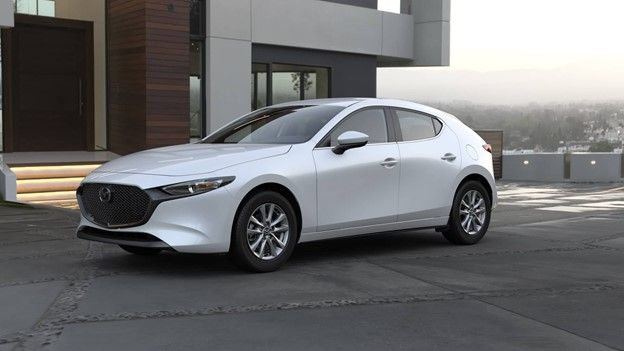
Stick to sedans and wagons if you want to maximize your dollar. These body styles have fallen out of favor with the general public, meaning you can often find a younger vehicle with fewer miles for the same price as an older, beat-up SUV.
The Inspection: Vetting the Odometer and History
A low price is meaningless if the car dies two months after purchase. To protect yourself, you need to know how to test drive multiple used cars without dealership pressure. Renting a specific model on a car-sharing app for a day is a great way to live with the vehicle before committing. When you are ready to look at a specific unit, the odometer reading is only half the story.
You must insist on a comprehensive vehicle history report to check for accidents, title brands, or consistent maintenance records. If a seller refuses to let you take the car for a pre-purchase inspection by an independent mechanic, walk away immediately. This inspection, which usually costs between $150 and $250, is the best insurance policy you can buy. If you are looking at an older EV, verifying the EV battery health is a specialized step you cannot skip. Most modern scanners can show the remaining capacity of the battery pack, which is vital for calculating the remaining life of the car. Check if the car is a certified pre-owned unit, as this often includes a factory-backed warranty that can offset some of the risks of an older vehicle.
Mastering Used Car Negotiation Tactics
Once you have found the right car and verified its condition, it is time to talk numbers. Professional used car negotiation tactics revolve around one metric: the out-the-door (OTD) price. Dealerships love to hide extra profit in dealership documentation fees, "protection packages," and nitrogen-filled tires.
To win, you should collect OTD quotes from multiple dealerships via email or phone before visiting in person. Use this script to get a firm number:
"I am interested in the [Year/Make/Model] with stock number [Number]. I am a serious buyer ready to move this week. Please send me a breakdown of the final out-the-door price, including all taxes, registration, and any inevitable dealer fees. I am comparing quotes across the region and will be moving forward with the most competitive firm offer."
Using this method, you can find out how to negotiate used car out the door price without the emotional exhaustion of sitting in a glass office for four hours. If they won't give you a number over the phone, they are likely planning to add surprise fees later.

Keep your trade-in conversation completely separate from the purchase price. Dealers will often give you a "great" price on your trade while overcharging you for the new car. Secure a quote from a dedicated used car retailer first so you have a baseline for your trade-in's value.
Remember that the average monthly payment of $548 seen in late 2024 is significantly higher than the $413 average in 2019. This means your margin for error is smaller than ever. Use every scratch, dent, or upcoming service requirement found during your inspection as leverage to bring that OTD price down.
FAQ
Can the price of a used car be negotiated?
Yes, used car prices are almost always negotiable, though the margins vary. Dealerships usually have more room to move on trade-ins they bought at wholesale than on cars they bought at auction. Private sellers are often more flexible if you can show them a list of needed repairs found during your inspection.
What should I look for when buying a used car?
Focus on the big three: structural integrity, mechanical health, and ownership history. Look for inconsistent gaps between body panels which suggest prior accidents. Check the oil and coolant for signs of contamination. Most importantly, ensure the title is "clean" and matches the seller's identification.
Is it worth buying a certified pre-owned car?
A certified pre-owned car is often worth the premium for buyers who are risk-averse. These vehicles undergo a multi-point inspection and come with an extended manufacturer warranty. However, you should still perform your own inspection, as "certified" standards can vary between different dealerships.
How many miles is too many when buying a used car?
Miles matter less than maintenance. A well-maintained car with 120,000 highway miles is often a better purchase than a car with 60,000 miles that has never had an oil change. Generally, look for vehicles that have averaged 12,000 to 15,000 miles per year, as this suggests regular use without excessive wear.
Should I get a used car inspected by a mechanic before buying?
Absolutely. A pre-purchase inspection is the single most important step in the buying process. A professional mechanic can find hidden flood damage, frame issues, or pending engine codes that a standard test drive will miss. It is the best $200 you will ever spend.
What are the red flags to watch for when buying a used car?
Watch out for "title washing" (selling a salvaged car in a different state to hide its status), a scent of heavy perfume or mildew in the interior (hiding mold or smoke), and any seller who pressures you to skip a professional inspection. If the deal feels too good to be true, it likely is.