Quick Facts
- Top Saving Tip: Shifting to cold water cycles can lower your utility bills by $40-$60 annually.
- Chemical Limit: Using more than 2 tablespoons of detergent leads to machine damage and wasted money.
- Maintenance Interval: Perform a deep clean of your drum and drain pump filter every 30 cycles to ensure appliance longevity.
- 2026 Rate Alert: Avoid peak energy hours to dodge projected surge pricing of $0.19/kWh.
- Appliance Fact: Efficient models with Energy Star compliance use roughly 33% less water than standard machines.
- Fabric Care: Air drying clothes extends the life of your wardrobe by preventing heat-related fabric degradation.
To effectively save on laundry, you should stop overusing detergent by limiting liquid soap to two tablespoons per load and switch to cold water cycles, which eliminates the 90% of energy typically used for water heating. Combining these updated habits with off-peak timing for electricity use provides a comprehensive framework for sustainable utility bill management.
Laundry is rarely viewed through the lens of a financial portfolio, but for the average household, it is a high-frequency operational expense. Most families treat the washing machine as a "set it and forget it" appliance, yet hidden inefficiencies in how we wash and dry clothes can leak hundreds of dollars from a yearly budget. As we look toward higher energy costs in 2026, minor behavioral shifts in the laundry room offer one of the highest returns on effort for your domestic bottom line.

Habit 1: Washing in Warm Water
One of the most persistent myths in home economics is that clothes require hot water to get clean. Historically, heat was necessary to activate primitive soap formulas, but modern high-efficiency detergent is chemically engineered to break down enzymes at much lower temperatures. The financial reality is that heating water accounts for approximately 90% of the energy consumed by a washing machine.
When you choose a warm or hot cycle, you aren't paying for the mechanical action of the wash; you are paying to heat gallons of water that will simply be drained away minutes later. By switching from hot to cold water for laundry, the average household can save between $40 and $60 annually on utility bills. This is perhaps the easiest pivot in your laundry cost saving tips handbook because it requires zero financial investment and yields immediate results.
Beyond the energy bill, saving money by washing clothes in cold water protects your clothing assets. Heat is a primary driver of shrinkage and color fading. When you reduce the water heating costs associated with every load, you are simultaneously slowing down the rate at which you need to replace your wardrobe. From a personal finance perspective, this is a double win: lower monthly overhead and reduced depreciation of your personal property.
Habit 2: Using Too Much Detergent
There is a psychological urge to believe that more bubbles equal more cleanliness. However, modern washing machines, particularly high-efficiency (HE) models, are designed to work with a surprisingly small amount of soap. Pushing past the recommended dose creates a "suds lock" that forces the machine to work harder, run longer rinse cycles, and use more water to clear the excess foam.
In a recent survey, over half of consumers admitted to being confused when it comes to correct dosing, often spending nearly double what is necessary. The fix is a strict 2-tablespoon limit for a standard full load. If you are washing a smaller load or live in an area with soft water, you might need even less. This shift helps you reduce detergent waste and prevents the waxy residue buildup that traps odors in your clothes.
To maximize your chemical efficiency, consider how you buy and dispense your soap.
| Product Type | Financial & Performance Impact | Mason’s Recommendation |
|---|---|---|
| Laundry Pods | Highly expensive per load; fixed dosage prevents small-load efficiency. | Stop |
| Liquid Detergent | Scalable dosing; how to use liquid laundry detergent efficiently depends on using a measuring cup, not the massive cap. | Start (Measure Carefully) |
| Powder | Often the lowest cost per load; excellent for hard water issues. | Start |
| Fabric Softener | Coats fibers in fat, reducing towel absorbency and clogging sensors. | Stop |
| Distilled White Vinegar | Natural softener and odor neutralizer at a fraction of the cost. | Start |
Using excess detergent also leads to mechanical failure. The residue buildup creates a breeding ground for mold inside the outer drum, eventually leading to a musty smell that requires expensive professional cleaning or even part replacements. Switching to a precise dose of high-efficiency detergent protects both your machine and your wallet.
Habit 3: Neglecting Machine Maintenance
A washing machine is a major capital asset, often costing between $600 and $1,500. Every month that you neglect maintenance, you shorten the appliance lifecycle and reduce its spin cycle efficiency. A machine that cannot drain properly or spin at full speed leaves clothes wetter, which in turn forces your dryer to work longer—compounding your energy losses.
A proper washing machine maintenance guide dictates that you should be proactive rather than reactive. The most common cause of machine "breakdowns" is actually a clogged drain pump filter. This filter catches coins, hair, and lint that escape the drum. When it’s clogged, the pump works twice as hard, consuming more power and eventually burning out.
Monthly Maintenance Checklist
To keep your machine running at peak performance, follow this washing machine maintenance checklist for home longevity:
- Clean the Drain Pump Filter: Locate the small door at the bottom front of the machine. Drain the excess water into a tray and clear out any debris.
- Inspect Gasket Seals: For front-loaders, wipe down the rubber seal after the final load of the day. Leave the door open to allow moisture to evaporate, preventing mold.
- Sanitize the Drum: Run a "Clean Washer" cycle (or a hot cycle with no clothes) using a cup of distilled white vinegar to break down minerals and soap scum.
- Check Hoses: Look for cracks or bulges in the water supply lines once a year to avoid the catastrophic expense of a burst hose and subsequent water damage.
By maintaining the health of the gasket seals and the internal pump, you ensure that the machine operates with the water-saving precision it was designed for.
Habit 4: Laundering During Peak Energy Hours
Utility companies are increasingly moving toward Time of Use (TOU) pricing. Under these plans, electricity is significantly more expensive during "peak hours"—usually the afternoon and early evening when demand is highest. By 2026, some regions are projected to see peak rates as high as $0.19/kWh, while off-peak rates remain a fraction of that cost.
Think of peak hours as "Uber surge pricing" for your home. Running your washer and dryer at 5:00 PM could cost you three times as much as running them at 9:00 PM or 7:00 AM. Strategic utility bill management requires paying attention to these windows. Most modern machines have a "Delay Start" button; use it to schedule your laundry to run during off-peak hours for laundry to save electricity.

Furthermore, ensure you are practicing load optimization. Running a wash for just three shirts is a massive waste of both water and energy. Wait until you have a full load, but avoid overstuffing, as an overfilled machine cannot agitate properly, leading to poor cleaning and the need for a re-wash. By timing your loads and maximizing their size, you align your household chores with the most cost-effective energy cycles.
Habit 5: Over-Reliance on the High-Heat Dryer
The clothes dryer is arguably the most expensive appliance to operate in the modern home. High-heat settings are not only energy-intensive but are also the primary cause of fabric degradation. The "lint" you find in the screen is actually tiny pieces of your clothing being beaten and blasted away by heat.
To minimize post-wash energy drainage, first ensure your washer is doing its job. A high-speed spin cycle removes more water mechanically so the dryer has less work to do. Once clothes move to the dryer, switch from traditional dryer sheets to wool dryer balls. Wool dryer balls help separate clothes, allowing hot air to circulate more efficiently, which can reduce drying time by 25%.
The ultimate financial move, however, is embracing the benefits of air drying clothes vs dryer. A simple drying rack or a clothesline indoors or outdoors costs nothing to operate. For items like jeans, towels, or bedding, which take the longest to dry, the savings are substantial.
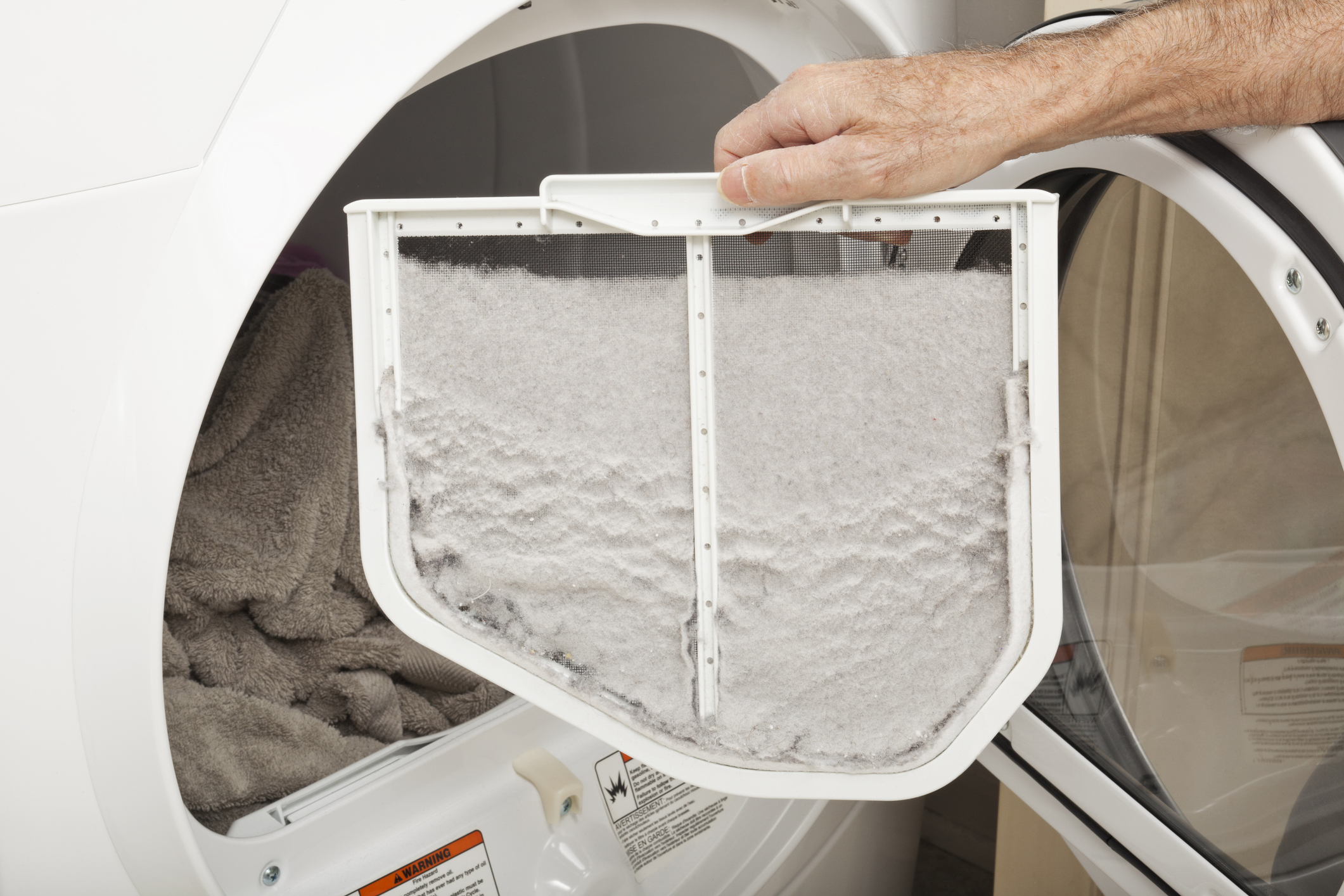
If you must use the dryer, never forget to clean the lint screen after every single load. A clogged lint screen restricts airflow, forcing the machine to run for an additional 10 to 15 minutes to achieve the same level of dryness. This simple 10-second habit keeps your machine within its Energy Star compliance parameters and prevents the fire hazard of a lint-clogged exhaust vent.
FAQ
Does washing clothes in cold water save money?
Yes, it is the single most effective way to save on laundry. Since roughly 90% of the energy used during a wash cycle goes toward heating the water, shifting to cold water can save a typical household between $40 and $60 per year. Modern detergents are specially formulated to perform effectively in cold water, meaning you don't sacrifice cleanliness for savings.
What is the cheapest time of day to do laundry?
The cheapest time is during off-peak hours, which vary by provider but generally fall late at night (after 9:00 PM) or early in the morning (before 8:00 AM). Many utility companies charge significantly less during these times to balance the grid. Checking your specific "Time of Use" rates can help you avoid surge pricing that can reach $0.19/kWh or more by 2026.
How can I make my laundry detergent last longer?
The key is to stop guessing the dosage and use a dedicated measuring tool. Most people use twice as much detergent as necessary. By sticking to a 2-tablespoon maximum for full loads and opting for liquid or powder over expensive, pre-measured pods, you can double the life of every bottle or box you purchase.
Are laundry balls or dryer balls worth the investment?
Wool dryer balls are definitely worth the small upfront cost. They reduce drying time by improving air circulation and naturally soften fabrics without the need for chemical-laden dryer sheets. Over time, the reduction in energy use and the elimination of recurring costs for dryer sheets provide a clear financial return.
Is it cheaper to wash full loads or multiple small loads?
It is almost always cheaper to wash full loads. Most machines use a similar amount of energy to rotate the drum regardless of the volume of clothes inside. By practicing load optimization and only running the machine when it is full, you reduce the total number of cycles run per year, saving on water, electricity, and the wear and tear on your appliance.