Quick Facts
- Starter Milestone: Establishing a $1,000 starter fund is the first step toward long-term financial stability.
- The Core Rule: The 3 to 6 months savings rule remains the standard for most salaried households.
- Average Emergency Cost: Recent data suggests $1,700 is a common threshold for unexpected expenses in 2026.
- Recommended HYSA Rates: Look for a high-yield savings account offering between 3.75% and 4.25% APY for maximum growth.
- Multiplier Logic: To use an emergency fund calculator effectively, multiply your monthly burn rate by your specific risk tier of 3, 6, 9, or 12 months.
- Liquid Access: Maintain at least one month of expenses in a checking account for immediate liquidity.
Building a safety net is the foundation of financial resilience. While the standard 3 to 6 months savings rule is a helpful baseline, your ideal emergency savings goal depends on your unique risk profile. Whether you are a salaried employee or a freelancer with a variable income, calculating your target requires looking at your essential monthly expenses and liquidity needs. According to experts, a proper emergency fund calculator should target 3 to 6 months of living expenses for stable households, while higher-risk individuals may need up to 12 months to withstand potential income shocks.
The Priority Sequence: Savings vs. Debt Repayment
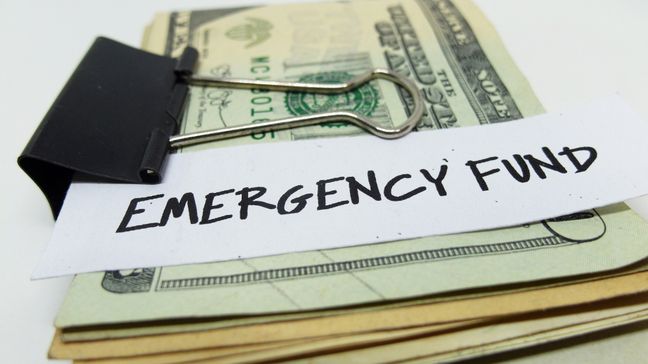
One of the most common questions I get is whether to save for a rainy day or pay off that nagging credit card balance first. My recommendation is to follow a three-phase system designed for maximum resilience. You start with a $1,000 starter fund. This small buffer prevents you from sliding back into debt when a minor spending shock, like a flat tire or a broken appliance, occurs.
Once that small safety net is in place, you should pivot toward balancing emergency fund and debt repayment. Specifically, target high-interest debt with an APR higher than 15%. Because these interest rates often outpace the returns you would get even in the best high-yield savings account, paying them down is a guaranteed return on your money. After your high-interest debt is cleared, you can focus on building your full 3 to 6 month fund. This prevents a cycle of debt where you are constantly borrowing money to cover life’s surprises while trying to save at the same time.
Phase 1: Identifying Essential Expenses for Emergency Savings
Your target number should not be based on your total salary. If you earn $6,000 a month but only spend $4,000 on essentials, your goal should reflect the $4,000. This is what we call your monthly burn rate. Identifying essential expenses for emergency savings is about distinguishing between "needs" and "wants" so your goal feels achievable.
When calculating your emergency fund monthly expenses, start with the four pillars:
- Housing: Your rent or mortgage payment, including property taxes and insurance.
- Utilities: Electricity, water, heat, and your basic internet or phone plan.
- Food: Groceries and basic household supplies, but excluding dining out or expensive delivery.
- Insurance and Health: Health insurance premiums, life insurance, and necessary medications.
The basic formula is: Rent + Utilities + Food + Insurance = Base Goal. If these total $3,500, then your 3-month goal is $10,500. By focusing on your burn rate rather than your lifestyle spending, you can reach your financial cushion faster without feeling overwhelmed.
Phase 2: The Multiplier Rule (3, 6, 9, or 12 Months?)
Once you have your monthly burn rate, you need to determine which multiplier applies to your life. The traditional 3 to 6 months savings rule is a great starting point, but personal finance is personal. Your risk tolerance and job stability change the math.
| Risk Tier | Duration | Ideal Candidate |
|---|---|---|
| Low Risk | 3 Months | Dual-income households with stable salaried jobs and no dependents. |
| Moderate Risk | 6 Months | Single-income earners or households with children and stable employment. |
| High Risk | 9 Months | Professionals in niche industries with long hiring cycles or commission-based roles. |
| Maximum Risk | 12 Months | Freelancers, business owners, or those with highly variable income. |
If you are a freelancer, an emergency fund size for variable income needs to be larger to account for months where clients might pay late. Similarly, you should consider when to save 12 months emergency fund if you work in a specialized field where it might take a year to find a comparable salary.
It is also helpful to distinguish between saving for unplanned spending shocks vs income loss. A spending shock is a one-time cost, like a $2,000 dental bill. An income shock is the loss of your primary paycheck. According to the Federal Reserve’s 2024 Survey of Household Economics and Decisionmaking, 55% of adults in the United States reported having set aside enough money in a rainy day fund to cover three months of expenses. While that is a strong majority, it means nearly half of the population is still one major income shock away from financial distress. Use these multipliers to ensure you are in the protected bracket.
Phase 3: The Liquidity Ladder (Where to Store Your Cash in 2026)
Knowing how much to save is only half the battle; knowing where to put it matters just as much. Your money needs to be in liquid assets—accounts where you can withdraw the cash immediately without penalties. However, leaving $20,000 in a standard checking account that pays 0.01% interest is a missed opportunity.
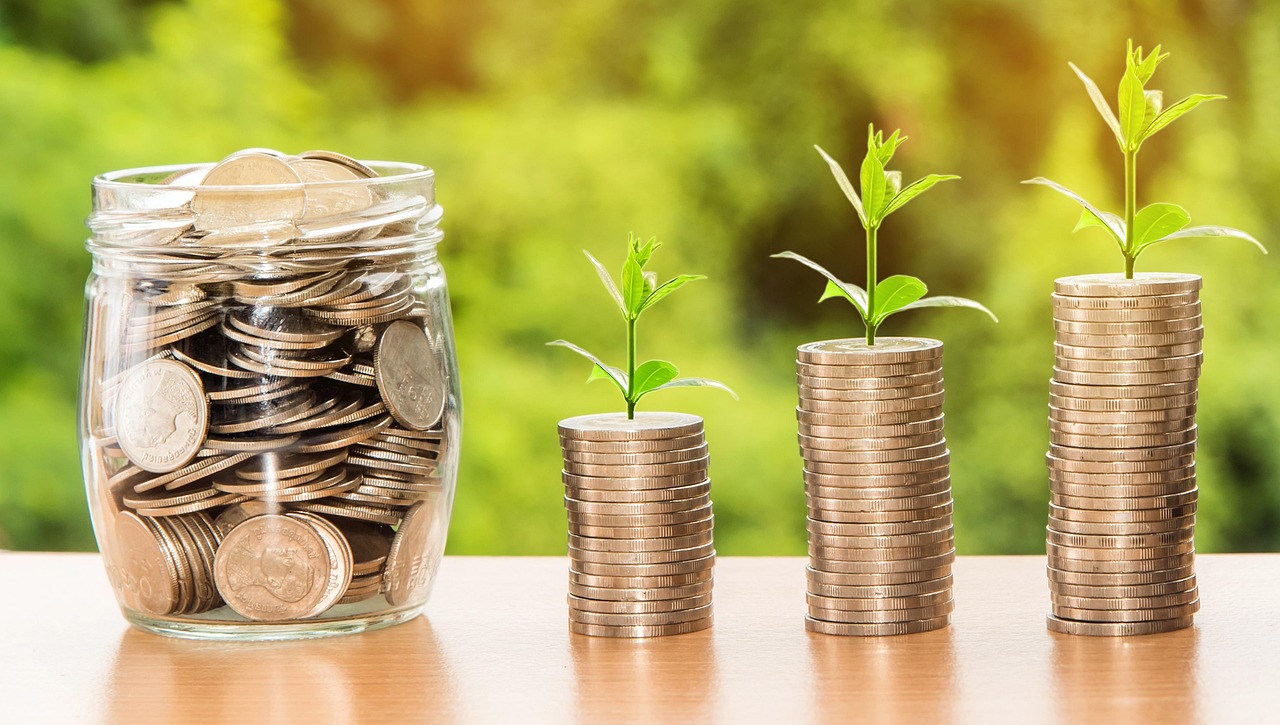
The liquidity ladder approach involves dividing your fund into two parts. Keep about one month of expenses in your regular checking account. This provides immediate liquidity for small, urgent needs. The remainder of your emergency savings goal should be kept in a high-yield savings account. In the 2026 economic environment, these accounts typically offer 3.75-4.25% APY.
By using a high-yield savings account, your money actually works for you while it sits there. It stays safe from market volatility but grows fast enough to keep up with inflation. Some savers also look at Money Market accounts, which offer similar rates and often come with a debit card for easier access. The goal is to maximize your financial cushion without locking the money away in a CD or an investment account where you might face a penalty if you need the cash on a Tuesday afternoon.
True vs. Not Emergency: Protecting Your Fund
The hardest part of building a safety net is not saving the money—it is keeping it there. I often see "leaking" funds, where people dip into their savings for things that aren't actually emergencies. Findings from Bankrate’s 2025 Annual Emergency Savings Report show that 89% of Americans believe they would only be comfortable with their level of savings if it could cover at least three months of living expenses. Yet, many struggle to keep that balance intact.
To protect your fund, use this checklist before you make a withdrawal:
- Is it unexpected? (A car registration is not an emergency; it happens every year.)
- Is it necessary? (Fixing a leaking roof is necessary; upgrading your kitchen cabinets is not.)
- Is it urgent? (Does this need to be paid today to prevent further financial damage or safety issues?)
True emergencies include things like medical bills, sudden job loss, or major car repairs that prevent you from getting to work. A "great deal" on a vacation or a holiday sale is not an emergency. Maintaining that boundary is what builds true financial resilience over the long term.
FAQ
How much money should I have in an emergency fund?
Your target should be based on your essential expenses rather than your income. For most people, this starts with a $1,000 starter goal and moves toward a full fund that covers 3 to 6 months of your monthly burn rate. The exact dollar amount varies, but if your bills are $3,000 a month, your full fund should be between $9,000 and $18,000.
How many months of expenses should an emergency fund cover?
Financial experts generally recommend three to six months as the standard. However, you should aim for more if you have a variable income, work as a freelancer, or are the sole provider for your family. In these higher-risk cases, having 9 to 12 months is often the better choice to ensure you can survive a prolonged job hunt.
What counts as an emergency for an emergency fund?
An emergency is an event that is unplanned, necessary, and urgent. Typical examples include a sudden job loss, an unexpected medical bill, or a major home repair like a burst pipe. Planned expenses, such as vacations, holiday gifts, or predictable car maintenance like oil changes, should be handled through a separate savings category.
Where is the best place to put an emergency fund?
The best location is a high-yield savings account that is separate from your daily checking account. This ensures the money earns a competitive interest rate while remaining accessible. Separating the accounts also reduces the temptation to spend the money on non-emergencies.
Should I pay off debt or build an emergency fund first?
You should do both using a tiered approach. First, save a $1,000 starter fund to cover minor hiccups. Then, focus your extra cash on paying down high-interest debt that has an APR over 15%. Once that expensive debt is gone, you can finish building your full 3-6 month safety net.
Should I include fixed or variable costs in my emergency fund?
You should definitely include all fixed costs like rent and insurance. For variable costs, include only the "essential" versions of them. For example, include your grocery budget (variable but essential) but exclude your luxury dining or entertainment budget (variable but non-essential). This makes your savings goal more realistic and easier to hit.
Building an emergency fund is a marathon, not a sprint. Start by automating a small transfer—even $50 a week—into a dedicated account. Over time, that consistency will turn into a significant financial cushion that provides you with something far more valuable than the interest earned: peace of mind.