Quick Facts
- Secondary Account Strategy: If your credit union lacks peer-to-peer features, use Ally or Capital One for Zelle access while maintaining your local relationship.
- National Reach: For relocation, Chase and Bank of America offer the highest nationwide branch density and local support.
- Student Focus: Fifth Third Momentum is a top-tier choice for avoiding monthly service charges and building a financial foundation.
- P2P Trends: In 2024, the Zelle network crossed 151 million users, with one in three users willing to change banks to keep the service.
- Switching Drivers: Roughly 61% of consumers switch financial institutions due to life events like relocation rather than service issues.
- Financial Footprint: The average American now manages approximately 5.3 accounts to balance specialized features and regional access.
Choosing a bank account in 2026 requires balancing regional roots with modern digital utility. Whether you are relocating or need a Zelle compatible bank account, our guide covers top-tier strategies for modern banking to ensure your finances remain accessible and fee-free during major life transitions.
| Bank Institution | Best For | Key Feature | Monthly Fee |
|---|---|---|---|
| Ally Bank | Tech-Savvy Multi-bankers | Zelle integration & bucket savings | $0 |
| Chase Bank | Frequent Relocators | Massive branch and ATM network | $0 - $12 (waivable) |
| Fifth Third Bank | Students & Young Adults | Momentum checking & no minimums | $0 |
The Zelle Gap: Solving P2P Access via Secondary Accounts
As an editor focusing on digital payments, I frequently see a recurring friction point: the Zelle gap. While Zelle has become the industry standard for peer-to-peer transfers, many local credit unions and smaller rural banks still do not offer native integration within their mobile banking app features. This can be more than a minor annoyance; for many, it is a dealbreaker. Recent data suggests that the Zelle network reached 151 million enrolled user accounts and surpassed $1 trillion in annual transactions in 2024. When a primary institution fails to provide this utility, consumers feel the digital isolation immediately.
The most effective solution is opening a second bank account just for zelle access. This multi-banking model allows you to keep the personalized service of a credit union while gaining the payment infrastructure of a national player. When evaluating candidates for this secondary role, look for best no-fee checking accounts that have no minimum maintenance requirements. Institutions like Capital One 360 or Ally are ideal because they function as digital bridges.
Secondary Account Strategy: Instead of a full exit from your local bank, open a no-fee account at a national institution. Use this account specifically for Zelle, digital wallet compatibility, and linking to external fintech apps.
Before committing, you should know how to check if a bank is zelle compatible before opening an account. The easiest way is to visit the Zelle official website or check the bank’s own mobile app preview in the App Store. Look for peer-to-peer transfer limits in the fine print, as some accounts might restrict you to lower daily amounts during the first 30 days of account seasoning.
Bridging the Gap: The Multi-Banking Shift
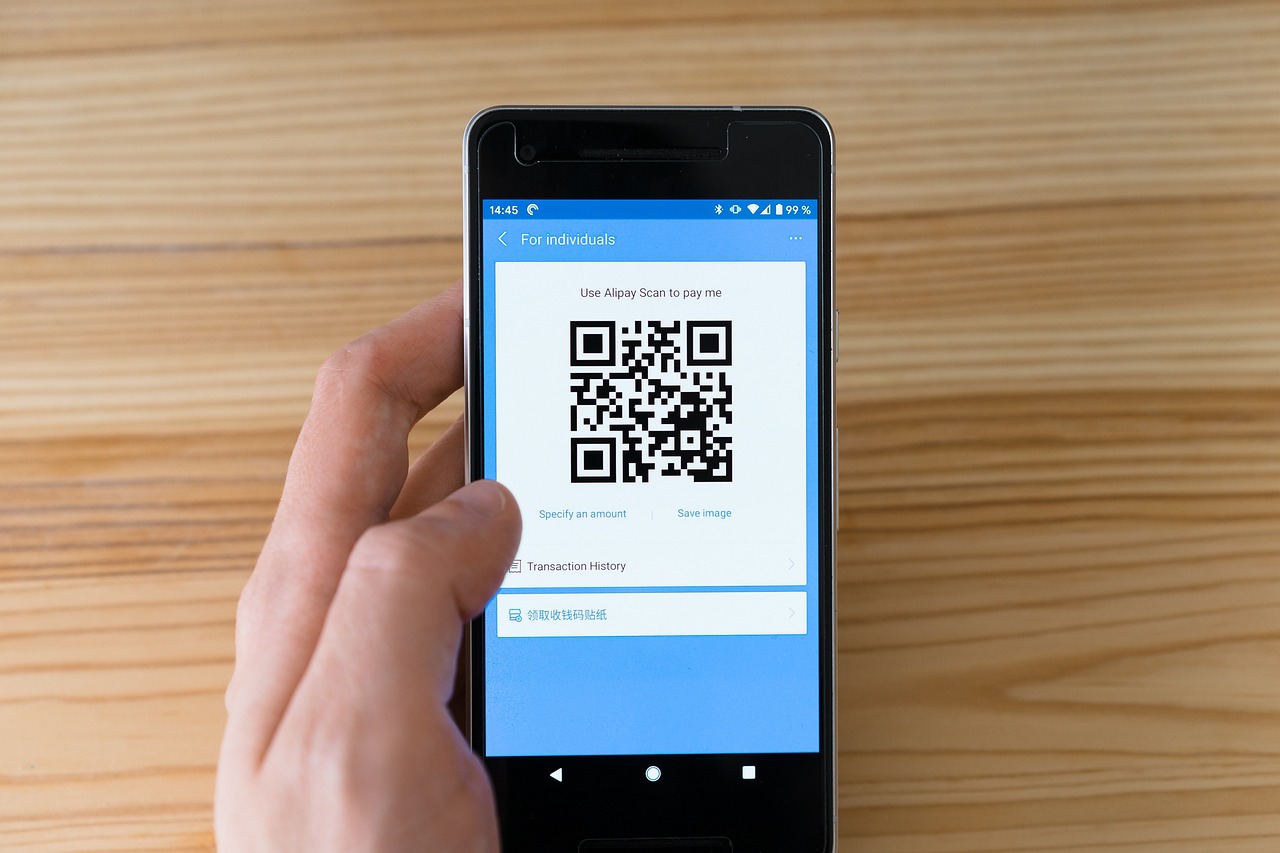
The trend of switching from a credit union to a bank with zelle support is often driven by the need for speed. Consumers in 2026 are increasingly comfortable with direct deposit splitting—sending a portion of their paycheck to a national bank for bill pay and P2P transfers while keeping the rest in a local high-yield savings integration. In fact, 50% of consumers now split their direct deposits between multiple bank accounts to maximize convenience and security.
Choosing a Bank Account for Relocation and Travel
Relocation is one of the most stressful life events, but your finances shouldn't add to the burden. Statistics show that relocation and employment changes are primary drivers for changing banks—61% of consumers leave their banks due to these life events. When moving across state lines, the core question is: do you need a physical handshake or a powerful app?
For those moving between major cities, prioritizing traditional banks with deep brick-and-mortar branch density is often the safest bet. Banks like Bank of America, Chase, or Truist offer an expansive physical footprint that ensures you can always find a teller for a cashier's check or a notary. This is particularly important during a move when you might need specialized services for a new lease or home purchase.
However, if you are a frequent traveler or your move takes you to a more remote area, switching banks for relocation might mean moving toward an online-first model. In these cases, the focus shifts to out-of-network ATM fees. Banks like Charles Schwab or SoFi are excellent because they offer unlimited ATM fee reimbursements worldwide. This feature effectively turns every corner store ATM into your personal bank branch.
Evaluative Checklist for Movers:
- ATM Network: Check for "AllPoint" or "MoneyPass" network access to avoid $3-$5 fees per withdrawal.
- National Support: Research the bank's presence in your destination state. Some "national" banks have surprisingly sparse coverage in the Pacific Northwest or the Deep South.
- Deposit Limits: If you handle cash (tips or small business income), online-only banks can be difficult. Ensure your chosen institution has a partnership with retailers like Walgreens or CVS for cash deposits.

How to choose a national bank with local branch access after relocating often comes down to regional dominance. For example, Fifth Third is a powerhouse in the Midwest and Southeast, while Wells Fargo has a massive footprint in the West. Evaluating bank account features for frequent movers and travelers means looking beyond the interest rate and looking at the logistical map of your life.
Life-Stage Transitions: Fee Waivers for Students and Young Adults
The transition from high school to college or from college to the working world is the most common time for choosing a bank account that offers long-term stability. For students, the priority should always be cost avoidance. With average monthly service charges reaching new highs in 2026, finding best no fee checking accounts for college students moving out of state is a financial necessity.
Young adults are often targeted with "student accounts" that expire at age 23 or 24. A smarter move is to find a low maintenance checking accounts for young adults with no minimum balance that doesn't "age out." Fifth Third Momentum checking is a standout example here. It eliminates the standard hurdles like monthly service charges and minimum balance requirements, which are often the biggest traps for those starting their careers.
Navigating the Fee Landscape
When you are 18 and moving away for the first time, look for these specific features:
- Early direct deposit access: Getting your paycheck up to two days early can be a lifesaver for managing rent and groceries.
- Fee-free ATM networks: Students rarely have the luxury of driving across town to find a specific bank-branded ATM.
- Credit union membership eligibility: Don't overlook credit unions if you are moving for a specific employer or university, as they often have more favorable terms than "Big Banks."

As you build your financial foundation, remember that the average consumer in the United States maintains approximately 5.3 accounts. This isn't because they are disorganized; it's because they are strategic. By choosing a bank account that serves a specific purpose—like a dedicated account for rent, another for daily spending, and a high-yield savings for the future—you can automate your way to financial health.
FAQ
What factors should I consider when choosing a bank account?
You should prioritize fee structures, digital utility (like Zelle and mobile app features), and physical accessibility based on your location. Consider whether you need specialized services like cash deposits, international wire transfers, or high-yield savings integration.
Is it better to open an online bank account or a traditional one?
Online bank accounts typically offer higher interest rates and lower fees due to reduced overhead. Traditional banks are better if you value face-to-face service, need frequent cash deposits, or want access to a wider range of physical wealth management and lending services.
Can I have multiple bank accounts at different banks?
Yes, and for many, it is the optimal strategy. Many consumers use a national bank for its mobile app and Zelle access while maintaining a local credit union for lower-interest loans. The average American now manages more than five different accounts to capture the best features of each.
Should I open a bank account at a credit union instead of a bank?
Credit unions are member-owned and often provide better customer service and lower interest rates on loans. However, they may lag behind in digital technology. If you choose a credit union, ensure they participate in a shared-branching network to maintain access if you move.
What are the most common fees associated with bank accounts?
The most frequent costs include monthly service charges, out-of-network ATM fees, overdraft fees, and wire transfer fees. Many banks allow you to waive monthly fees through a minimum daily balance or a qualifying monthly direct deposit.
Conclusion & Action Plan
Choosing a bank account in 2026 is no longer a lifelong commitment to a single institution. Instead, it is a strategic selection of tools. If you are currently feeling the "Zelle gap," don't hesitate to open a secondary account with a fintech-forward bank like Ally or Capital One. If relocation is on the horizon, look for the safety of a national network like Chase or the flexibility of an online bank with ATM reimbursements.

Before you finalize your decision, always verify that your target bank consists of FDIC-insured institutions. This government backing is the bedrock of your financial security, protecting your deposits up to $250,000 per person. By focusing on a balance of digital agility and regional stability, you can ensure your financial life moves as fast—and as far—as you do.