Quick Facts
- The Gas Math: Driving more than 5 miles out of your way to save 10 cents a gallon often results in a net loss once wear and tear are calculated.
- The Water Win: Using a modern dishwasher saves approximately 12 gallons of water per load compared to manual hand washing.
- The DIY Penalty: Inexperienced home repairs lead to an average correction cost of $310, rising to over $800 for major flooring or plumbing errors.
- Bulk Waste: Purchasing perishable goods in bulk for small households results in a 20-25% waste rate, negating any unit price savings.
- Sales Trap: Over 58% of consumers admit that discounts and sales are their primary reason for buying items they do not actually need.
- Quality Over Price: Buying the cheapest version of high-use items like shoes or tools often costs 3x more over five years due to frequent replacements.
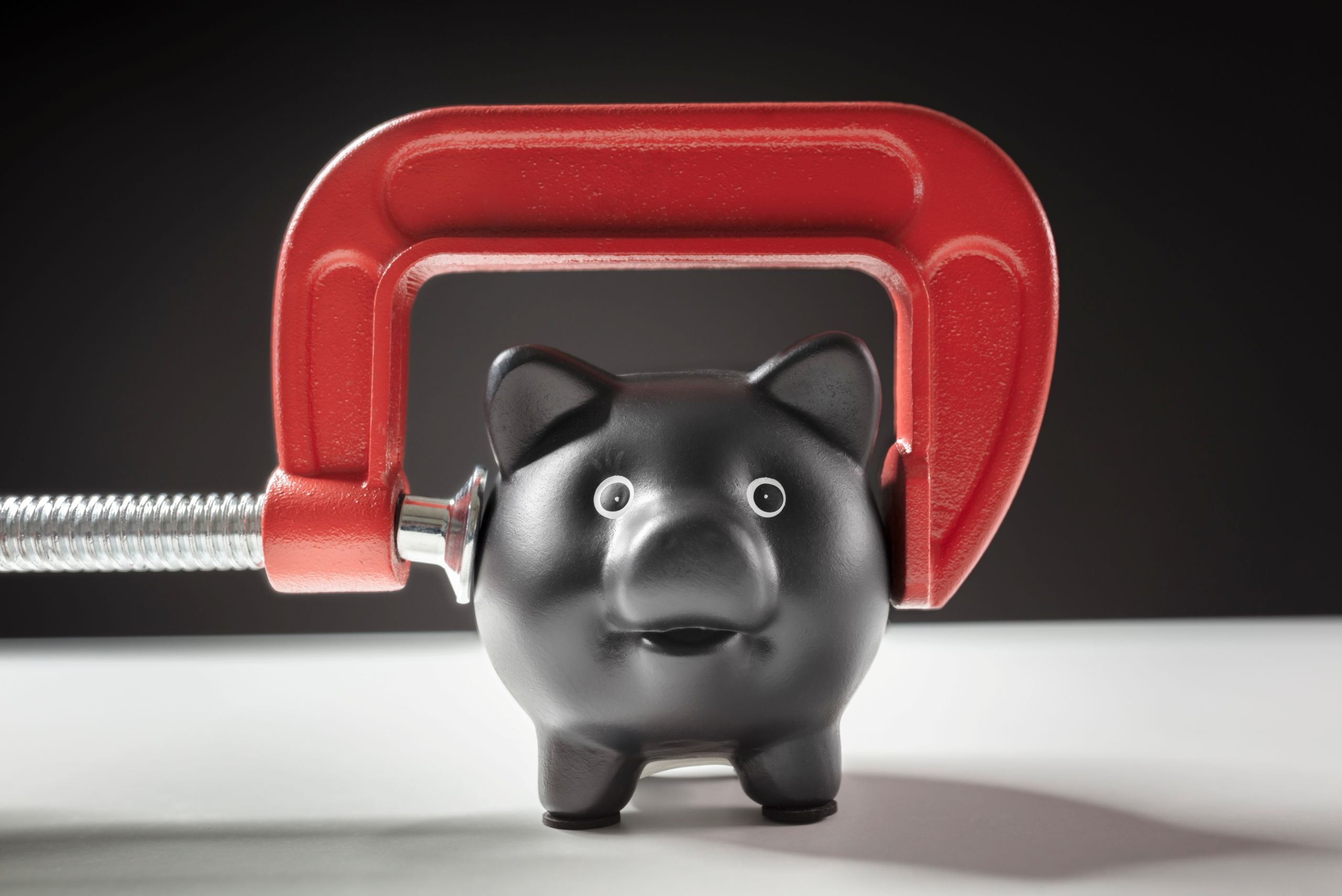
A false economy occurs when an attempt to save money results in higher overall costs. Common examples include driving long distances for cheaper fuel, where the gas consumed outweighs the price difference, or purchasing perishable goods in bulk that spoil before use. To avoid these frugal living mistakes, always calculate the total cost of your time, travel, and potential waste alongside the sticker price while maintaining high financial intentionality.
Habit 1: Driving Miles Out of Your Way for Cheap Fuel
We have all seen the line of cars snaking around the block at a warehouse club gas station or a remote off-highway pump. It feels like a win to see a price per gallon that is 15 or 20 cents lower than the station near your house. However, this is one of the most classic false economy examples in the modern commuter's life. When you hunt for cheap fuel, you are often burning the very resource you are trying to save, while simultaneously depreciating your vehicle.
Consider the 11-mile detour. If your vehicle averages 25 miles per gallon, a round trip of 11 miles consumes nearly half a gallon of fuel. At current prices, you’ve already spent roughly $2.00 just to get to the station. This doesn't even account for the IRS standard mileage rate, which factors in maintenance, oil, and tires. At current 2026 rates, that 11-mile trip technically costs you much more in long-term vehicle wear.
Math Check: The Detour Audit
- Fuel Saved: 15 gallons x $0.15 savings = $2.25
- Fuel Consumed: 0.44 gallons x $4.20/gal = $1.85
- Net Savings: $0.40
- Time Spent: 25 minutes
- Personal Hourly Rate: $0.96/hour (Is your time worth less than a dollar an hour?)
The math rarely works in your favor unless the station is already on your established route. Calculating gas savings vs driving distance for cheap fuel reveals that for most drivers, the convenience of a local station is actually the more frugal choice.
- Stick to stations within a 2-mile radius of your normal commute.
- Use apps to find the best price on your existing path, rather than creating a new one.
- Focus on driving habits (like gradual braking) that do more to save fuel than a 10-cent discount.
Habit 2: Bulk Buying Perishables for a Small Household
The siren song of the warehouse club is the unit price. Seeing a massive jar of spinach or a five-pound bag of avocados for a "steal" can bypass our rational brain. While buying in bulk is a cornerstone of many budgeting frameworks, it becomes one of the major frugal living mistakes when applied to perishable goods in small households.
When you purchase more than you can realistically consume, you are not saving money; you are simply managing a waste stream. Hidden costs of saving money in this manner include the "guilt eat"—forcing yourself to consume food you no longer want just to avoid throwing it away—and the actual cost of the 20% of produce that inevitably ends up in the compost bin. Furthermore, large bulk purchases create an inventory glut that requires more refrigeration energy and takes up valuable physical square footage in your home.

Audit: The Spoilage Tax If you buy a 2lb bag of organic salad for $8.00 (Unit price: $4/lb) but throw away half because it wilts, your effective price was $8.00/lb. You could have bought a fresh 5oz clamshell at the local market for $4.50 and actually saved $3.50 in cash flow.
A 2026 survey by Motley Fool Money revealed that 58% of respondents identify sales and discounts as their primary trigger for wasteful spending, indicating that bargain-hunting often leads to buying unnecessary items. For a household of one or two, is buying in bulk worth it for small households? Usually, only for non-perishables like toilet paper, laundry detergent, or dry pasta.
- Never buy more than a 3-day supply of fresh greens or berries.
- Track your "toss rate" for a month to see how much bulk food ends up in the trash.
- Prioritize frozen vegetables for bulk purchases to eliminate the expiration clock.
Habit 3: Choosing DIY for Complex Home Repairs
The rise of online tutorials has convinced many of us that we are one video away from being a licensed plumber or electrician. While minor tasks like changing a light fixture or painting a room are great ways to save, tackling complex structural or mechanical repairs is where many homeowners encounter ineffective money saving habits.
Frugal habits become costly when an amateur attempt leads to structural damage or wasted materials. According to a survey of nearly 1,200 homeowners by Porch, the average DIY home improvement mistake costs $310 to rectify, with major errors like incorrect flooring installation adding an average of $829 to the final repair bill. When you account for the cost of specialized tools you may only use once, the financial math for DIY often collapses.
Audit: The "Pro vs. Amateur" Ledger
- Project: Leaking bathroom tile repair.
- DIY Cost: $150 materials + $200 tool rental + 15 hours of labor.
- The Mistake: Improper waterproofing leads to subfloor rot.
- The Fix: $2,500 professional remediation.
- Professional Cost: $1,200 (Done right the first time with a warranty).
Deciding between DIY and professional services requires accounting for the cost of specialized tools, your own time-value, and the potential for a novice mistake to require an expensive fix. For complex repairs, hiring a professional can save money long-term by ensuring the job is done correctly and efficiently.
- Audit your skill level honestly: if it involves water pressure, high voltage, or structural load, call a pro.
- Factor in the opportunity cost of your weekend; is 20 hours of labor worth a $200 saving?
- Rent tools instead of buying them if you decide to proceed with a mid-tier DIY project.
Habit 4: Hand Washing Dishes Instead of Using the Machine
There is a persistent myth that the dishwasher is a luxury that rakes up your utility bills. Many people believe that by standing at the sink and scrubbing by hand, they are being more resourceful and frugal. In reality, this is one of the most common frugal living mistakes regarding household utilities.
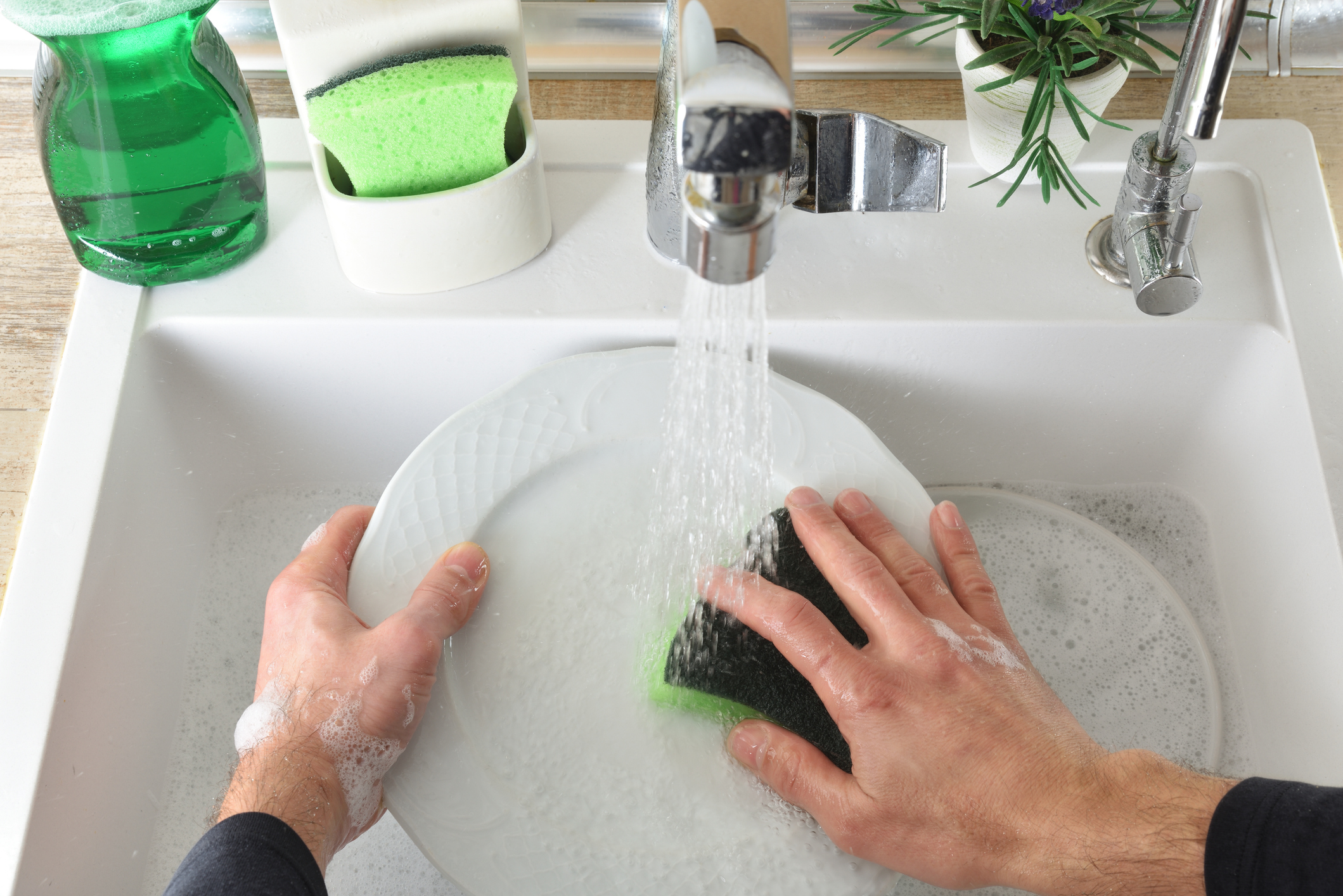
Modern dishwashers are generally more cost-effective and water-efficient than handwashing. While a standard dishwasher uses between one and three gallons of water per cycle, handwashing can consume up to 15 gallons of water every five minutes if the tap remains running. Unless items are not dishwasher-safe, utilizing the appliance is the more frugal choice for reducing utility bills.
| Feature | Modern Dishwasher Cycle | 15 Minutes of Hand Washing |
|---|---|---|
| Water Usage | 1.5 - 3 Gallons | 25 - 45 Gallons |
| Energy Cost | ~$0.20 (including heating) | ~$0.60 (heating 40 gallons) |
| Time Spent | 5 Minutes (Loading) | 30 - 45 Minutes |
| Annual Savings | Primary utility reducer | Major water bill driver |
Audit: The Utility Leak By switching to a dishwasher, the average household saves about 5,000 gallons of water per year. In 2026, with rising municipal water rates, this habit pays for the appliance itself within three to four years.
Using the machine also protects your most valuable asset: your time. If you spend 30 minutes a day washing dishes, that’s 182 hours a year—equivalent to over four full work weeks.
- Only run the dishwasher when it is completely full to maximize efficiency.
- Skip the "heat dry" setting to save an additional 15% on the energy cost of the cycle.
- Stop pre-rinsing dishes in the sink; modern detergents are designed to latch onto food particles.
Habit 5: Ignoring Automated Subscription Leaks
In 2026, the global economy has shifted almost entirely to "subscription-as-a-service." From your morning coffee beans to your car’s heated seats, everything has a monthly recurring fee. A common frugal living mistake is setting a subscription because of an initial discount—like a 10% "Subscribe & Save" offer—and then failing to audit those leaks as your needs change.
These automated payments are a form of asset depreciation for your bank account. They represent small, quiet drips that, over time, create significant hidden leaks in your budget. Often, the discounted price leads to inventory gluts where you have six bottles of vitamins or three bags of coffee piling up because you couldn't consume them as fast as the algorithm shipped them.

Audit: The $9.99 Trap One $9.99 subscription you don’t use costs $120 a year. Five of them cost $600. With 20% credit card interest rates being a common baseline in the current economy, that $600 of "wasted" cash flow could have paid down debt, saving you an additional $120 in interest payments.
Finding how to identify a false economy in household spending often starts with your bank statement. If you haven't used a service in the last 30 days, the "discount" you received for subscribing is no longer a saving.
- Perform a quarterly "Subscription Audit" to cancel any service not used weekly.
- Use a dedicated virtual card for subscriptions to see all recurring hits in one place.
- Switch from "Subscribe & Save" to "Buy as Needed" for any item where you have a back-stock of more than one unit.
Habit 6: Buying the Cheapest Version of High-Use Items
There is a significant difference between being cheap and being frugal. Being cheap focuses on the lowest sticker price today; being frugal focuses on the lowest cost of ownership over time. Buying the absolute cheapest version of items you use every day—such as work shoes, kitchen knives, or a laptop—is an ineffective money saving habits strategy that leads to a cycle of constant replacement.
Quality goods often have a better ROI calculations profile. A $200 pair of well-constructed leather boots can be resoled for years, whereas a $40 pair of synthetic shoes will likely fall apart in six months and end up in a landfill. The 2026 secondary market also heavily rewards quality brands, meaning a high-end tool or gadget will retain a much higher resale value than a generic alternative.
Math Check: Cost Per Wear
- Cheap Shoes: $40 / 6 months use = $6.66 per month.
- Quality Boots: $240 / 60 months use = $4.00 per month.
- The Result: The "expensive" option is 40% cheaper over the long run.
- Identify your "Top 5" high-use items and commit to buying the best quality you can afford for those specifically.
- Research the repairability of tech and appliances before buying; "cheap" often means "unfixable."
- Look at the "Buy It For Life" communities to find brands with lifetime warranties.
Habit 7: Extreme Social Frugality and Bill Splitting
Financial health is not just about the numbers in your bank account; it’s about the quality of your life and your relationships. Some frugal habits are actually a waste of time and social capital. Extreme social frugality—such as meticulously splitting every cent of a group dinner or declining every invitation to avoid spending—can lead to social isolation and Social Inequity Costs.
When you become "that friend" who makes every social outing a stressful negotiation over pennies, you risk losing the networking opportunities and emotional support systems that are vital for long-term success. Furthermore, the mental energy expenditure of tracking five-dollar debts is often higher than the value of the money itself.
Audit: The Isolation Cost If you save $1,000 a year by skipping all social gatherings, but lose out on a career referral or a support network that keeps you mentally healthy, you have traded a finite resource (money) for an infinite one (connection).
- Set a monthly "Social Fund" that you are allowed to spend guilt-free.
- Be the pro-active planner: suggest low-cost activities like hikes or potlucks so you aren't always reacting to expensive plans.
- Practice the "Round Up" rule: if a bill is $19.50, just put in $20 and move on. The peace of mind is worth 50 cents.
FAQ
What are the most common frugal living mistakes?
The most frequent errors include driving long distances for gas, buying bulk food that goes to waste, and attempting complex DIY repairs without the proper skills. These actions focus on immediate sticker-price savings while ignoring the hidden costs of time, transportation, and potential damage.
How can being frugal actually cost you more money?
Frugal habits cost more when they trigger a false economy. This happens when the "savings" are offset by secondary expenses, like a cheap appliance that breaks quickly and needs frequent replacement, or a "discounted" bulk purchase that requires expensive storage or results in waste.
What is the difference between being cheap and being frugal?
Being cheap is a short-term mindset focused solely on spending as little cash as possible in the moment. Being frugal is a long-term strategy focused on maximizing value. A frugal person might spend more upfront for a high-quality item because they know it will last longer and perform better, resulting in a lower cost over time.
Are there certain things you should never buy cheap?
Items related to safety (tires, helmets), health (mattresses, footwear), and high-frequency use (computers, work tools) should never be bought based on price alone. The physical toll of poor-quality items in these categories often leads to medical bills or lost productivity that far exceeds the initial savings.
What frugal habits are actually a waste of time?
Habits like extreme couponing for items you don't need, driving across town to save a few cents on gas, and hand-washing dishes to save on machine energy are often a waste of time. When you calculate your personal hourly rate, these tasks usually pay out at less than minimum wage.
Audit Your Savings
True financial planning isn't about deprivation; it's about intentionality. As you look at your spending habits this week, ask yourself if you are truly saving money or if you are simply moving the cost into a different column—like your time, your stress levels, or your future repair bills. By identifying these frugal living mistakes, you can stop the invisible drain on your wealth and start building habits that actually support long-term stability. Prioritize high-value decisions over penny-pinching, and remember that in 2026, time is a currency just as valuable as the dollar.